
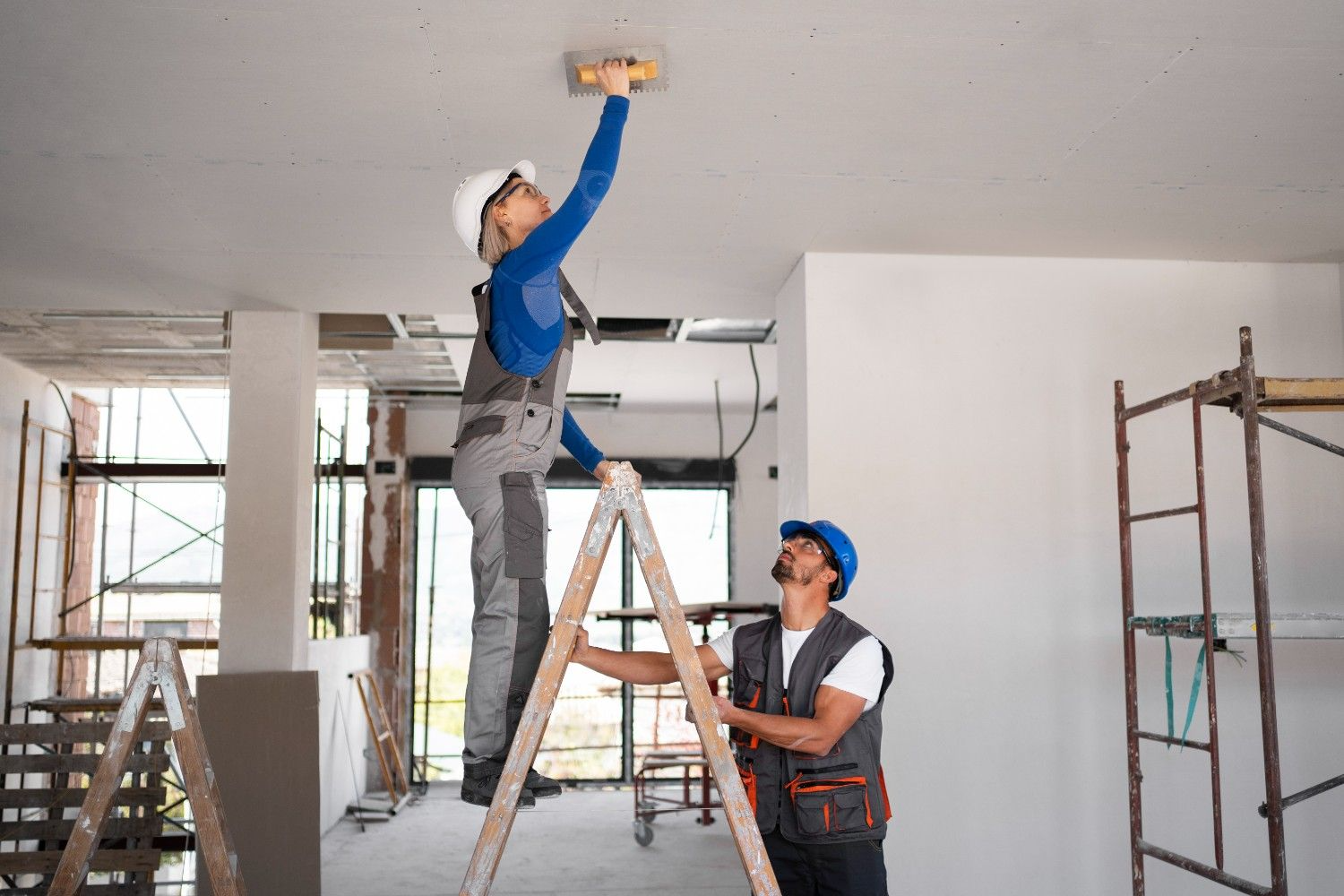
Building work can significantly disrupt everyday life if cleanliness and safety are not carefully managed. Dust, debris and constant movement of tools can quickly affect comfort, health and the condition of your home. While construction is often unavoidable during renovations or extensions, disruption does not have to be. With the right preparation, clear boundaries and professional site management, it is possible to maintain a safe and orderly living environment throughout the project. This guide outlines practical ways homeowners can protect their space, belongings and wellbeing during ongoing building work.
The Risks of Poor Site Management During Building Work
When site management is overlooked, problems can escalate quickly. Dust and fine particles can spread through living areas, affecting air quality and aggravating respiratory conditions. Debris left unattended increases the risk of slips, trips and accidental injuries, especially in shared living spaces.
Unmanaged tools and materials can also pose hazards, particularly in homes with children or pets. Electrical cables, sharp objects and unstable surfaces require constant oversight. Beyond personal safety, poor control can lead to damage to flooring, walls and furniture, resulting in avoidable repair costs once work is complete.
Long-term disruption is another consequence. Without structure, small issues accumulate, extending project timelines and reducing comfort for occupants. Effective site management is essential to prevent these risks and maintain a liveable home throughout construction.
Preparing Your Home Before Construction Starts
Preparation plays a crucial role in maintaining cleanliness and safety. Defining clear work zones helps separate construction areas from everyday living spaces, a step often recommended by experienced construction companies Cardiff to minimise disruption. Furniture, soft furnishings and valuables should be removed or securely covered to prevent dust damage.
Floors and doorways benefit from protective coverings designed to withstand heavy foot traffic. Wall protection in narrow access routes reduces scuffing and impact damage. Establishing designated entry points for workers limits unnecessary movement through the home.
Planning material delivery and waste removal routes in advance reduces clutter and improves safety. These measures create a controlled environment that supports smoother progress and protects your home from unnecessary wear.

Controlling Dust, Debris and Indoor Air Quality
Dust Containment Strategies
Dust is one of the most challenging aspects of building work. Temporary partitions, sealed doorways and protective sheeting help contain particles within work zones. Covering vents and openings prevents dust from circulating through the property. Using sticky floor mats at entry points can further reduce dust being tracked into clean areas.
Maintaining Healthy Airflow
Ventilation should be carefully managed to balance airflow without spreading dust. Regular cleaning of shared areas limits particle buildup, while scheduled tidy-ups reduce airborne debris. Maintaining air quality supports both comfort and health during prolonged construction periods, particularly for occupants sensitive to dust.
Maintaining Safety for Household Members
Safety requires constant attention throughout building work. Tools and materials should be stored securely when not in use, reducing the risk of accidents. Clear walkways help prevent trips and falls, particularly in shared areas.
Electrical safety is critical, as temporary wiring and exposed fixtures may be present. Extra precautions are essential in homes with children and pets, including restricted access to work zones. Clear communication with contractors ensures safety measures remain effective at all times and adapts quickly to changing site conditions.
Daily Cleaning and Site Organisation Practices
Consistent cleaning routines make a noticeable difference. End-of-day tidy-ups remove debris, secure tools and restore safe access routes. Waste should be segregated and removed regularly to avoid overcrowding and hazards.
Keeping pathways clear supports safe movement within the home. Maintaining daily organisation standards prevents small issues from compounding into larger disruptions, helping the household function more comfortably during the project.
Working with Contractors Who Prioritise Clean and Safe Sites
Professional standards are reflected in site discipline. Reliable construction companies understand the importance of maintaining clean, organised workspaces within occupied homes. Clear expectations around cleanliness should be established from the outset.
Coordination between trades reduces congestion and overlapping tasks that increase mess and risk. Skilled plasterers Cardiff often follow structured preparation and clean-up routines, helping control dust during high-impact stages. Choosing professionals who value site care makes a significant difference to the homeowner experience.
Managing High-Mess Phases of Building Work
Certain stages of construction generate more disruption than others. Demolition, cutting and surface preparation require additional protective measures. Plastering work, in particular, produces fine dust that must be carefully contained. These phases often involve increased movement of materials and tools, which can quickly spread debris beyond the immediate work area if not managed properly.
Scheduling high-mess tasks efficiently limits prolonged exposure to disruption. Additional coverings, increased cleaning frequency and restricted access during these phases help maintain safety and cleanliness until work progresses to less invasive stages. Clear communication about timings also allows occupants to plan daily routines with minimal inconvenience.
Final Safety Checks and Post-Build Clean-Up
As building work nears completion, a thorough clean-up restores the home to a safe living environment. Temporary protections should be removed carefully to avoid releasing trapped dust. Surfaces, ventilation points and access routes require attention before normal use resumes.
Final safety checks ensure that fixtures, electrics and structural elements are secure. This stage also provides an opportunity to identify minor issues that may have been overlooked during construction. Completing these steps properly allows homeowners to transition smoothly back to everyday living without lingering risks or unfinished details.
- Is it safe to live at home during building work? – Yes, with clear work boundaries and proper safety controls in place.
- How can dust be controlled during construction? – Sealed barriers, covered vents and regular cleaning reduce dust spread.
- What should be done with furniture during renovations? – Furniture should be removed or securely covered before work begins.
- How can children and pets be kept safe? – Restrict access to work areas and secure tools and materials at all times.
- Should builders clean up every day? – Yes, daily clean-ups help maintain safety and order throughout the project.
Conclusion
Keeping a home clean and safe during building work requires planning, communication and consistent site management. By preparing the space, controlling dust, maintaining daily organisation and working with professionals who respect occupied environments, disruption can be effectively managed. These measures protect both property and well-being throughout the project. With the right approach, homeowners can maintain comfort and safety while improvements are underway, reflecting the standards upheld by AO Builders Cardiff.