In today’s fast-evolving workplace, accuracy and accountability matter more than ever. Traditional time sheets and punch cards struggle to keep pace with remote teams, flexible shifts, and compliance demands. A biometric attendance system offers a reliable, tamper-resistant way to track employee time using unique identifiers such as fingerprints, facial recognition, or iris scans. Businesses of every size—startups, SMEs, and large enterprises—are adopting this technology to simplify HR operations and create a more transparent work culture.
What Makes Biometric Attendance Different?
Unlike PIN codes or RFID cards, biometrics rely on what a person is, not what they carry. This reduces manipulation, improves accuracy, and builds trust in organizational processes. When embedded into payroll, compliance, and scheduling systems, biometrics transform attendance from a manual chore into a strategic management tool.
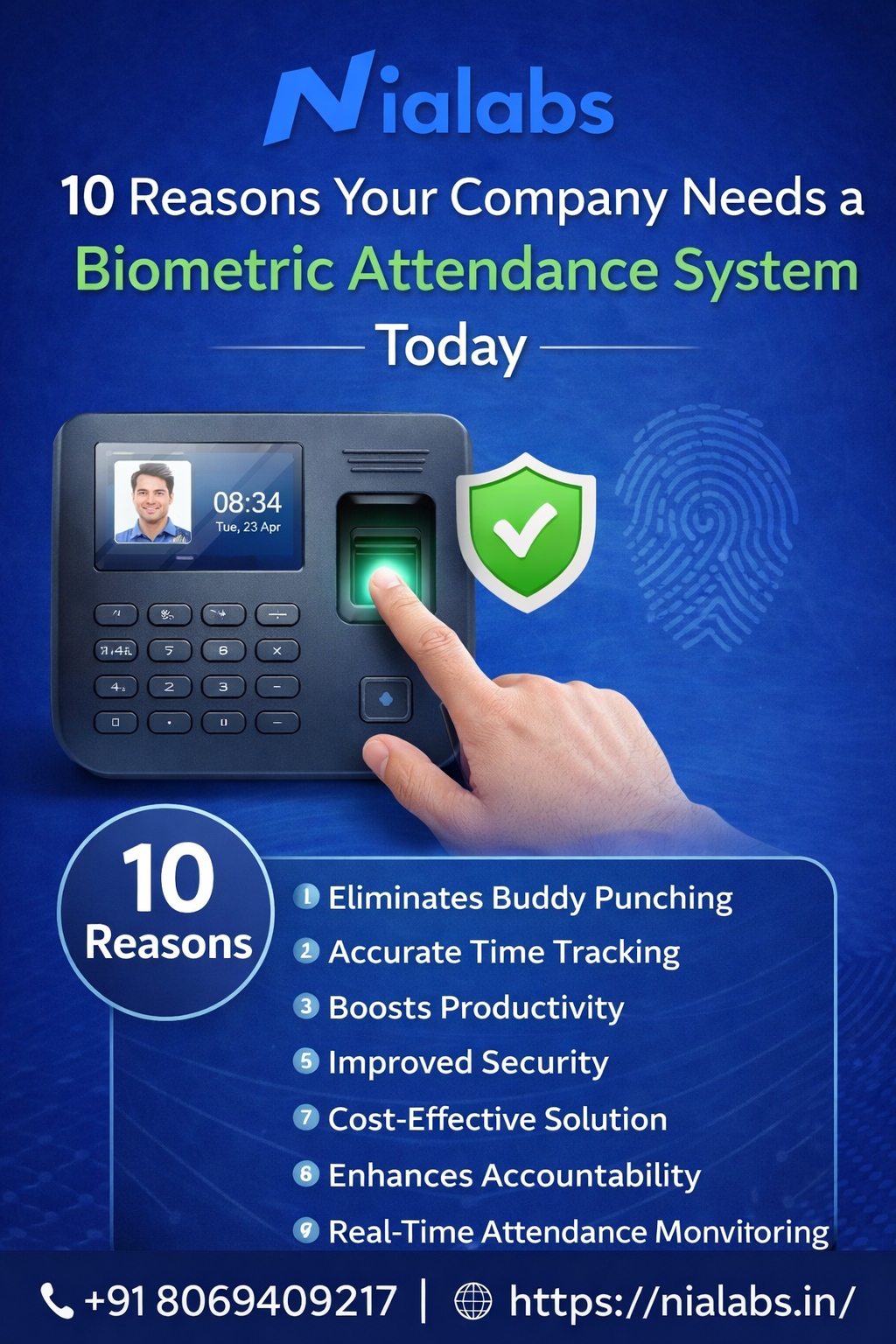
The Top 10 Reasons Your Company Needs a Biometric Attendance System
1. Eliminates Time Theft and Buddy Punching
Time fraud quietly drains productivity and payroll budgets. Paper registers or swipe cards can be misused by colleagues clocking in for one another. Biometrics remove this loophole entirely because biological traits cannot be shared. The result is a more ethical workplace and significant cost savings over time.
2. Enhances Payroll Accuracy
Errors in manual attendance entries often cascade into payroll discrepancies and disputes. A biometric system records clock-in and clock-out times precisely, which reduces adjustments, corrections, and back-and-forth communication. HR teams gain cleaner datasets, while employees enjoy timely, accurate compensation.
3. Strengthens Compliance and Audit Readiness
Labor regulations increasingly require organizations to maintain detailed attendance records. Biometric logs are secure, timestamped, and easily retrievable, helping companies demonstrate compliance with wage laws, overtime rules, and internal policies. This minimizes legal exposure and simplifies audits.
4. Improves Workforce Discipline
Visibility changes behavior. When employees know records are accurate and tamper-resistant, punctuality tends to improve naturally. Biometric systems foster responsibility without micromanagement, creating an environment where fairness and consistency are the norm.
5. Enables Real-Time Insights and Analytics
Modern systems provide dashboards that reveal trends—late arrivals, absentee patterns, department attendance behavior, or overtime peaks. These insights help leaders adjust staffing, balance workloads, and plan proactively instead of reacting to monthly reports.
6. Reduces Administrative Burden
HR professionals often spend countless hours reconciling attendance. Automation frees them from repetitive tasks, allowing more time for engagement, policy design, training, and strategic initiatives that actually move the organization forward.
7. Supports Remote and Hybrid Work Models
Biometric technologies have evolved beyond physical terminals. With mobile biometrics and location-based validation, organizations can verify attendance for remote field staff, multiple branches, or hybrid teams without compromising authenticity or trust.
8. Boosts Data Security
Because biometric identifiers are unique, they significantly reduce the risks associated with lost cards, stolen passwords, or shared login credentials. Properly implemented solutions encrypt and store biometric templates—not raw images—offering strong protection for personal data while meeting privacy requirements.
9. Scales Easily with Organizational Growth
As teams expand, manual attendance systems become difficult to maintain. Biometric platforms scale smoothly, accommodating new employees, additional locations, or more complex shifts without exponential administrative effort.
10. Elevates Employer Brand and Employee Experience
Adopting intelligent technology signals that your organization values innovation and transparency. Employees appreciate streamlined processes—no cards to carry, no forms to sign, no confusion about hours worked. This contributes to stronger morale and a more professional brand image.
How Nialabs Adds Value
Nialabs focuses on designing biometric attendance solutions that integrate elegantly with existing HRMS and payroll tools. Their approach emphasizes:
- intuitive user interfaces
- secure biometric data handling
- customizable attendance rules
- support for multi-location environments
- insightful reporting dashboards
Rather than treating biometrics as just hardware, Nialabs frames it as part of a wider digital transformation strategy. The emphasis is not only on recording attendance but on improving decision-making, operational clarity, and employee trust.
Practical Considerations Before Implementation
To maximize the benefits of biometrics, organizations should think through:
- privacy policies and consent communication
- placement of devices for accessibility and hygiene
- integration with existing HR technology
- training for employees and supervisors
- contingency plans for power or network outages
A thoughtful rollout ensures acceptance across the workforce and smooth day-to-day operation.
Are Biometric Attendance Systems Right for Every Business?
While highly beneficial, the ideal solution depends on industry needs. Manufacturing units, healthcare facilities, educational institutions, corporate offices, logistics companies, and retail chains find particular value in accurate shift tracking. Small organizations can also benefit, especially when growth is anticipated or compliance standards are tightening.
Final Thoughts
A biometric attendance system is no longer just an efficiency tool—it is a cornerstone of modern workforce management. It reduces fraud, strengthens compliance, automates payroll processes, and provides real-time visibility into employee activity. Companies implementing these systems today position themselves for smoother operations tomorrow.
With capable partners like Nialabs delivering secure and user-friendly platforms, adopting biometrics becomes a practical step toward smarter business management rather than a technological leap into the unknown.