
Introduction to Private Label Clothing
Private label clothing has emerged as one of the most powerful business models in the global fashion and apparel industry. We recognize it as a strategic approach that allows brands to design, market, and sell apparel under their own name while outsourcing manufacturing to specialized producers. This model provides unmatched flexibility, cost efficiency, and scalability, making it ideal for startups, ecommerce entrepreneurs, retailers, and established fashion houses seeking expansion.
Unlike generic wholesale apparel, the best private label clothing manufacturers empower brands to control design aesthetics, fabric selection, sizing standards, branding, and customer experience. We position private labeling as the fastest route to building a distinctive clothing brand without the capital-intensive burden of owning factories.
What Is Private Label Clothing?
Private label clothing refers to garments produced by a third-party manufacturer and sold under a retailer’s or brand’s name. We emphasize that the brand owns the identity, labeling, packaging, and marketing, while the manufacturer handles production according to agreed specifications.
This model differs significantly from white-label clothing. White label clothing is generic apparel sold to multiple brands with minimal customization, whereas private-label fashion offers complete control over materials, cuts, colors, prints, and trims.
Why Private Label Clothing Is a Smart Business Strategy
We consider private labeling one of the most profitable apparel strategies due to its operational and branding advantages.
Full Brand Ownership
With private label clothing, we retain complete ownership of brand identity, logos, labels, hang tags, and packaging. This creates long-term brand equity and customer loyalty.
Higher Profit Margins
By eliminating intermediaries, private label apparel significantly improves margins. We set pricing based on brand value rather than supplier constraints.
Customization and Differentiation
From fabric blends to stitching details, private labeling allows brands to create unique products that stand out in saturated markets.
Scalable Production
We can scale production volumes based on demand without investing in manufacturing infrastructure, enabling rapid growth.
Types of Private Label Clothing
Private label fashion spans multiple categories, each offering unique opportunities.
Private Label Streetwear
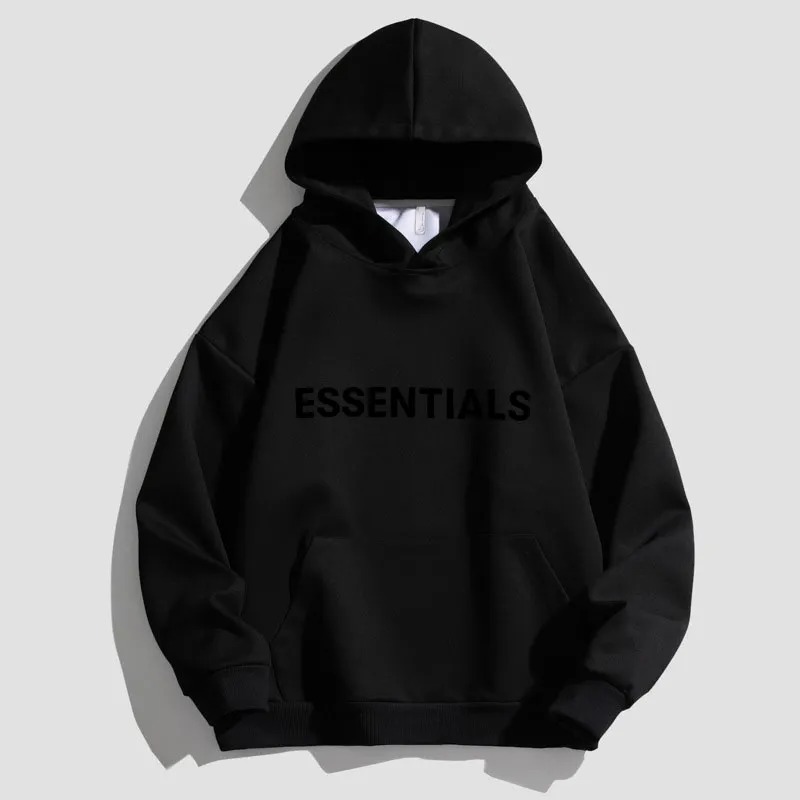
Streetwear brands benefit from custom cuts, heavyweight fabrics, embroidery, and oversized silhouettes. We see strong demand for hoodies, sweatshirts, joggers, and graphic tees.
Private Label Activewear
Private label activewear focuses on performance fabrics, moisture-wicking technology, compression fits, and durability. This category excels in ecommerce and DTC models.
Private Label Luxury Apparel
Luxury private labeling emphasizes premium fabrics, tailored fits, intricate detailing, and limited production runs to maintain exclusivity.
Private Label Basics
T-shirts, polos, sweatshirts, and loungewear remain evergreen products. We optimize these items through superior fabric quality and refined finishing.
The Private Label Clothing Manufacturing Process
We follow a structured process to ensure consistency, quality, and efficiency.
Concept Development
We begin with trend analysis, target market research, and brand positioning. Clear direction ensures cohesive collections.
Design and Tech Packs
Designs are converted into detailed tech packs outlining measurements, materials, stitching, colors, and labeling requirements.
Fabric Sourcing
Fabric quality defines brand perception. We select cotton, organic cotton, polyester blends, fleece, French terry, rib, and specialty textiles based on product goals.
Sampling and Prototyping
Samples are developed, tested, and refined. Fit, comfort, durability, and aesthetics are evaluated before bulk production.
Bulk Production
Once approved, production begins under strict quality control standards to maintain consistency across all units.
Branding and Packaging
Custom woven labels, printed neck labels, hang tags, polybags, and branded packaging complete the private label experience.
Choosing the Right Private Label Clothing Manufacturer
Selecting the right manufacturer is critical to success in private label clothing.
Manufacturing Expertise
We prioritize manufacturers with proven experience in specific apparel categories such as streetwear, activewear, or luxury garments.
Quality Assurance
Strict quality control processes, material testing, and compliance certifications ensure reliable production.
Customization Capabilities
Advanced manufacturers support embroidery, screen printing, DTG, sublimation, and specialty washes.
Low Minimum Order Quantities
Low MOQs enable brands to test designs, reduce risk, and launch faster.
Ethical and Sustainable Practices
Sustainability has become essential. We value manufacturers that offer eco-friendly fabrics and ethical labor practices.
Branding Essentials for Private Label Clothing
Branding transforms apparel into a recognizable identity.
Custom Labels
Woven, satin, or printed labels reinforce brand authenticity and professionalism.
Hang Tags and Packaging
Branded hang tags and premium packaging elevate perceived value and enhance unboxing experiences.
Consistent Visual Identity
Logos, color palettes, typography, and messaging should remain consistent across all products.
Private Label Clothing for Ecommerce and Retail
Private label apparel thrives in both ecommerce and brick-and-mortar environments.
Ecommerce Advantages
Direct-to-consumer brands benefit from higher margins, data-driven marketing, and global reach.
Retail and Wholesale Expansion
Private label collections enable retailers to offer exclusive products unavailable elsewhere, strengthening customer loyalty from usa clothing manufacturers.
Pricing Strategy for Private Label Clothing
We establish pricing based on production costs, branding value, target audience, and competitive positioning.
- Cost of materials and manufacturing
- Branding and packaging expenses
- Logistics and fulfillment
- Marketing and advertising
- Desired profit margins
Premium branding allows higher price points, while efficient production ensures profitability.
Marketing Private Label Clothing Successfully
Effective marketing amplifies brand visibility and drives conversions.
Content-Driven SEO
Optimized product descriptions, blog content, and category pages improve organic rankings for private label clothing keywords.
Social Media and Influencer Marketing
Platforms like Instagram, TikTok, and YouTube showcase apparel through authentic storytelling.
Email and Retargeting Campaigns
Retention strategies increase lifetime customer value and repeat purchases.
Future Trends in Private Label Clothing
The future of private label fashion is driven by innovation and sustainability.
- Eco-friendly and recycled fabrics
- Made-to-order and limited drops
- AI-driven design and forecasting
- Custom sizing and personalization
- Transparent supply chains
Brands that adapt to these trends will dominate competitive markets.
Conclusion
Private label clothing represents a powerful opportunity to build a scalable, profitable, and recognizable apparel brand. We leverage customization, manufacturing expertise, strategic branding, and data-driven marketing to create collections that resonate with modern consumers. By maintaining quality, consistency, and innovation, private label brands achieve long-term growth and market authority.