
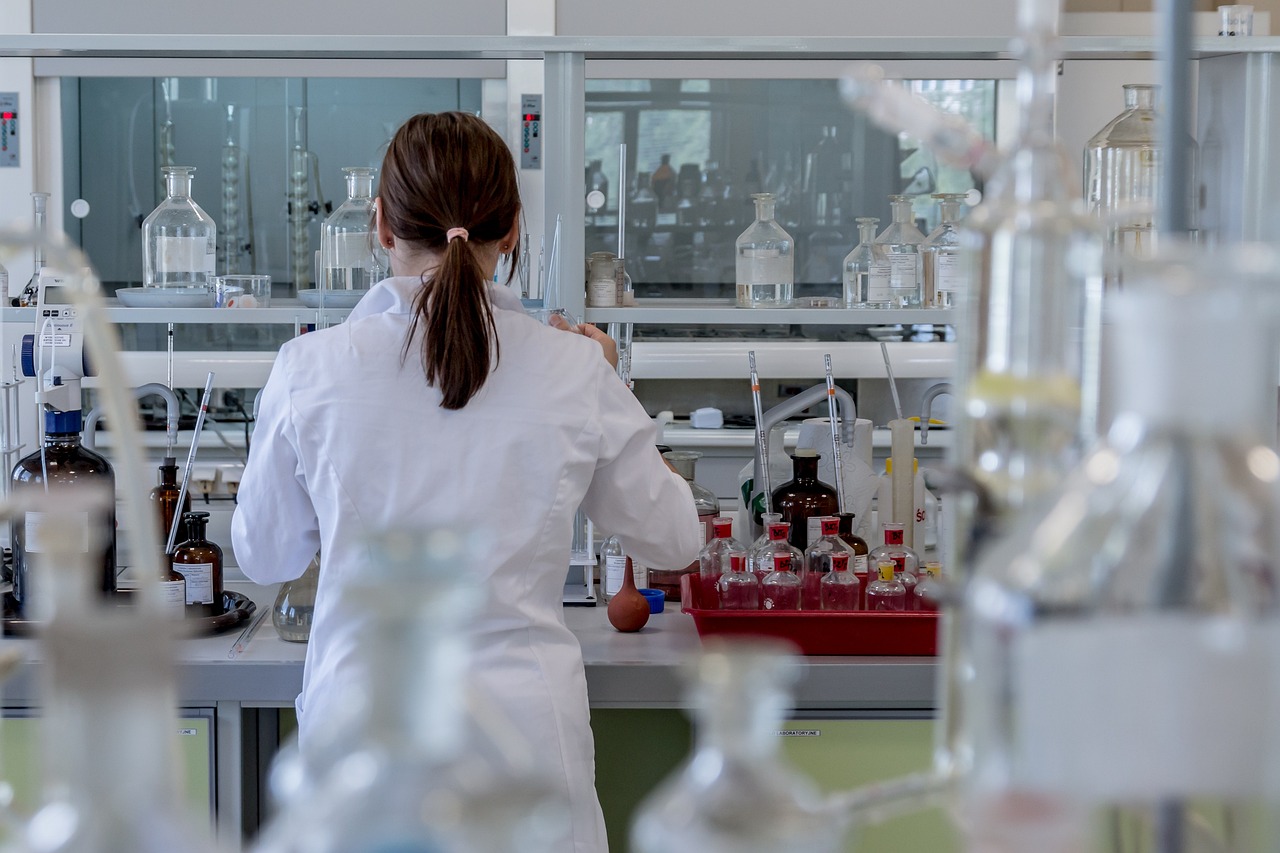
Lab supplies equipment are essential tools used in laboratories for conducting precise and controlled experiments. They range from basic items like glassware and consumables to advanced instruments such as centrifuges, mixers, and temperature-controlled circulators. These tools enable accurate measurement, sample preparation, and testing, which are critical for reliable scientific results.
Lab supplies and equipment ensure the accuracy and efficiency of scientific research, medical testing, and industrial analysis by providing the necessary tools to handle samples, control conditions, and record data accurately. The choice of equipment depends on the specific needs of a laboratory, whether it serves a research institution, hospital, or industrial facility.
Proper lab equipment also includes cleaning and safety gear to maintain sterile conditions and protect users. Reliable suppliers offer a wide range of items that meet industry standards, supporting various fields from biotechnology to pharmaceuticals and environmental science.
Essential Lab Supplies and Equipment
Successful laboratory work depends on precise tools, reliable containers, and protective gear. Each plays a critical role in supporting accurate experiments, maintaining safety, and ensuring efficiency. Attention to quality and suitability maximizes performance and minimizes risks.
Glassware and Plasticware
Glassware remains fundamental for chemical reactions, heating, and measuring liquids. Common items include beakers, flasks, test tubes, and pipettes. Borosilicate glass is preferred due to its thermal resistance and chemical durability. Proper calibration of volumetric flasks and burettes is essential for accurate measurements.
Plasticware, such as polypropylene and polystyrene tubes, offers lightweight and break-resistant alternatives especially suited for biological samples. Disposable plastic pipettes and Petri dishes reduce contamination risk. Selection between glass and plastic depends on the reagents’ compatibility and the experiment’s requirements. Regular inspection for cracks or scratches is necessary to avoid sample loss or inaccurate results.
Measurement Instruments
Accurate measurement devices form the backbone of reliable data collection. Analytical balances with readability to at least 0.1 mg ensure precise weighing of reagents. pH meters and conductivity meters provide critical information about solution properties.
Micropipettes with adjustable volumes allow for exact liquid dispensing, crucial in molecular biology and chemical assays. Calibration and regular maintenance of these instruments prevent errors. Thermometers, both digital and mercury-based, monitor reaction temperatures. Each instrument must be chosen based on accuracy requirements and intended application.
Safety Equipment
Lab safety equipment protects personnel and preserves experimental integrity. Standard items include lab coats, nitrile gloves, and safety goggles, which shield against chemical spills and splashes. Fume hoods ventilate harmful gases during reactions involving volatile or toxic substances.
Emergency equipment like eyewash stations and fire extinguishers must be easily accessible and regularly inspected. Proper labeling and storage of chemicals in designated cabinets reduce the risk of accidental exposure. Training on correct use of safety gear is as important as having the equipment itself.
Specialized Laboratory Equipment
Certain laboratory tasks demand precision instruments and controlled environments. Specialized equipment addresses these needs through accurate measurement and proper storage conditions critical for sample integrity.
Analytical Devices
Analytical devices are essential for precise measurement and data collection in labs. Instruments like spectrophotometers, chromatographs, and pH meters provide reliable quantitative and qualitative analysis.
These tools often incorporate advanced technologies such as mass spectrometry or fluorescence detection to enhance sensitivity and accuracy. Calibration and maintenance are crucial to ensure consistent results over time.
Users select devices based on their application, whether chemical analysis, biological testing, or environmental monitoring. Instrument compatibility with software can improve data handling and workflow efficiency.
Storage and Refrigeration Solutions
Proper storage conditions maintain sample stability and prevent degradation. Refrigerators, freezers, and ultra-low temperature units provide controlled environments tailored to specific specimen needs.
Common options include standard laboratory refrigerators (2-8°C), deep freezers (-20°C or lower), and ultra-low temperature freezers (down to -80°C) for sensitive biological samples.
Features like adjustable shelves, alarms for temperature deviations, and backup power supply improve reliability and sample safety. Some units offer frost-free operation to reduce manual defrosting and contamination risks.
Researchers choose equipment based on sample type, volume, and required temperature range, ensuring preservation aligns with experimental protocols.