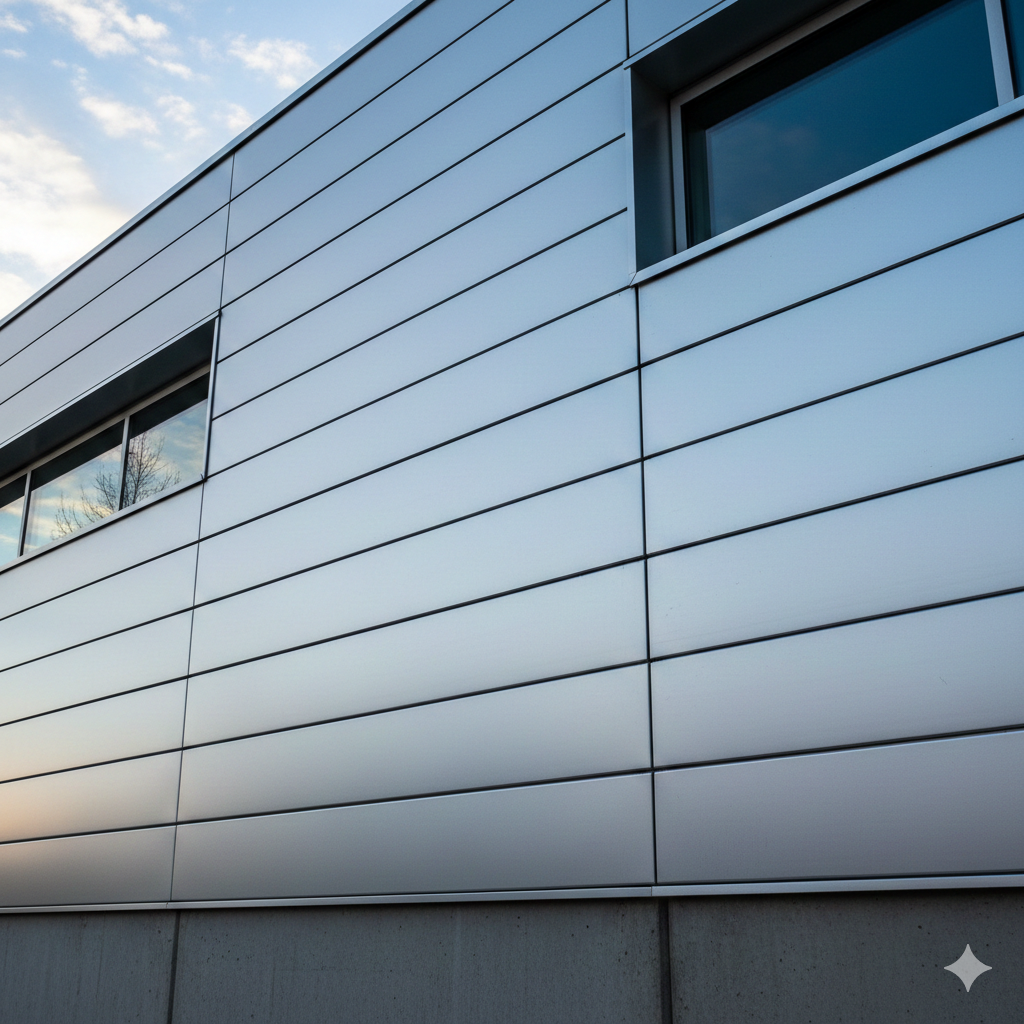
Aluminum cladding facades are a popular choice for modern building exteriors due to their balance of durability, lightweight properties, and aesthetic versatility. They offer long-lasting protection against weather while allowing for customizable designs that fit various architectural styles. This makes aluminum cladding a practical and attractive solution for both commercial and residential projects.
The material’s corrosion resistance and recyclability also contribute to its appeal, aligning with growing demands for sustainable building practices. Additionally, aluminum panels can integrate with advanced attachment systems, simplifying installation and ensuring smooth, lasting finishes.
Combined with energy efficiency benefits and a wide range of colors and textures, aluminum cladding stands out as a strategic choice for architects and builders aiming to enhance both the function and appearance of building facades.
Core Aspects of Aluminum Cladding Facade
Aluminum cladding facade offers distinct advantages due to their material properties, varied system types, and design adaptability. In addition, they provide sustainable options that align with modern environmental standards. Each aspect contributes to aluminum’s widespread use in contemporary building exteriors.
Key Material Properties
Aluminum is valued for its lightweight nature, which reduces structural load and simplifies installation. The metal’s high strength-to-weight ratio provides durability, allowing facades to withstand extreme weather and impact without deforming.
It is naturally corrosion-resistant, especially when treated with protective coatings like anodizing or powder coating. This resistance extends facade longevity and lowers maintenance requirements.
Thermal performance is notable; aluminum can be combined with insulation or composite materials to improve energy efficiency. Its non-combustible characteristic also adds fire safety, meeting strict building codes.
Types of Aluminum Cladding Systems
Aluminum cladding comes in multiple system types tailored to different needs. Common options include:
- Aluminum Composite Panels (ACP): These sandwich panels combine two aluminum layers with a core material for rigidity and insulation.
- Solid Aluminum Sheets: Single-layer sheets offer uniform appearance and high durability.
- Aluminum Profiles and Louvers: Used for ventilation and shading while maintaining facade aesthetics.
Each system varies in thickness, finish, and installation method, impacting cost, performance, and design flexibility. Choosing between systems requires assessing project requirements and environmental exposure.
Design Flexibility and Aesthetics
Aluminum facades provide extensive design options due to their malleability and finishing techniques. They can be fabricated into:
- Curved or flat panels
- Perforated screens
- Custom patterns or textures
A wide palette of finishes—from metallic and matte to wood-grain or vibrant colors—is achievable through methods like powder coating or anodizing. This versatility supports diverse architectural styles while maintaining high performance.
The ability to integrate lighting and other facade elements enhances the building’s appearance without compromising structural integrity. Aluminum also supports modular construction, allowing for easy replacement or adaptation over time.
Environmental Sustainability
Aluminum cladding contributes to sustainable building practices primarily through recyclability. Aluminum can be recycled repeatedly without losing properties, reducing resource consumption and waste.
Its lightweight nature decreases transportation energy and structural material needs. Combined with energy-efficient designs, aluminum facades help improve overall building performance.
Additionally, many aluminum panels incorporate recycled content. When paired with insulation layers, these facades reduce heating and cooling demands. The material’s long service life further lowers environmental impact by minimizing renovation frequency.
Installation and Performance Considerations
Aluminum cladding facades require careful planning and execution to ensure lasting performance. Proper installation techniques, resistance to weather, and ongoing maintenance all play crucial roles in preserving function and appearance.
Installation Methods
Aluminum facade panels are typically installed using a subframe system anchored to the building structure. This allows for precise alignment and accommodates thermal expansion. Common methods include:
- Rainscreen installation: Panels are mounted on a ventilated substructure to promote airflow behind the cladding.
- Direct fixation: Panels are screwed or riveted directly to the substrate, suitable for smaller or low-rise projects.
- Unitized systems: Prefabricated panel units are assembled off-site and fixed to the building.
Use of appropriate fasteners and sealants is essential to prevent water ingress and secure panels against wind loads. Skilled workmanship ensures joints are flush and panels align evenly, contributing to both aesthetics and structural integrity.
Weather Resistance and Durability
Aluminum cladding stands out for its ability to withstand various environmental conditions without significant degradation. It offers resistance to:
- Moisture and rain: Proper sealing and drainage keep water away from the structure.
- UV exposure: Coil-coated or anodized finishes prevent color fading and surface oxidation.
- Temperature fluctuations: Aluminum expands and contracts minimally under temperature changes, reducing the risk of warping.
Additionally, aluminum does not rust, which adds to its durability in coastal or humid environments. However, selecting panels with a quality protective finish extends their lifespan and sustains visual appeal over time.
Maintenance Requirements
Routine upkeep focuses on preserving the protective coating and preventing structural issues. Recommended maintenance steps include:
- Regular washing with mild detergents to remove dirt and pollutants.
- Inspection of joints, seals, and fixings to detect loosening or wear.
- Prompt repair of scratches or damaged coatings to prevent corrosion.
Maintenance intervals typically range from 1 to 5 years, depending on exposure level. Well-maintained aluminum facades can maintain performance and appearance for decades with minimal intervention.