
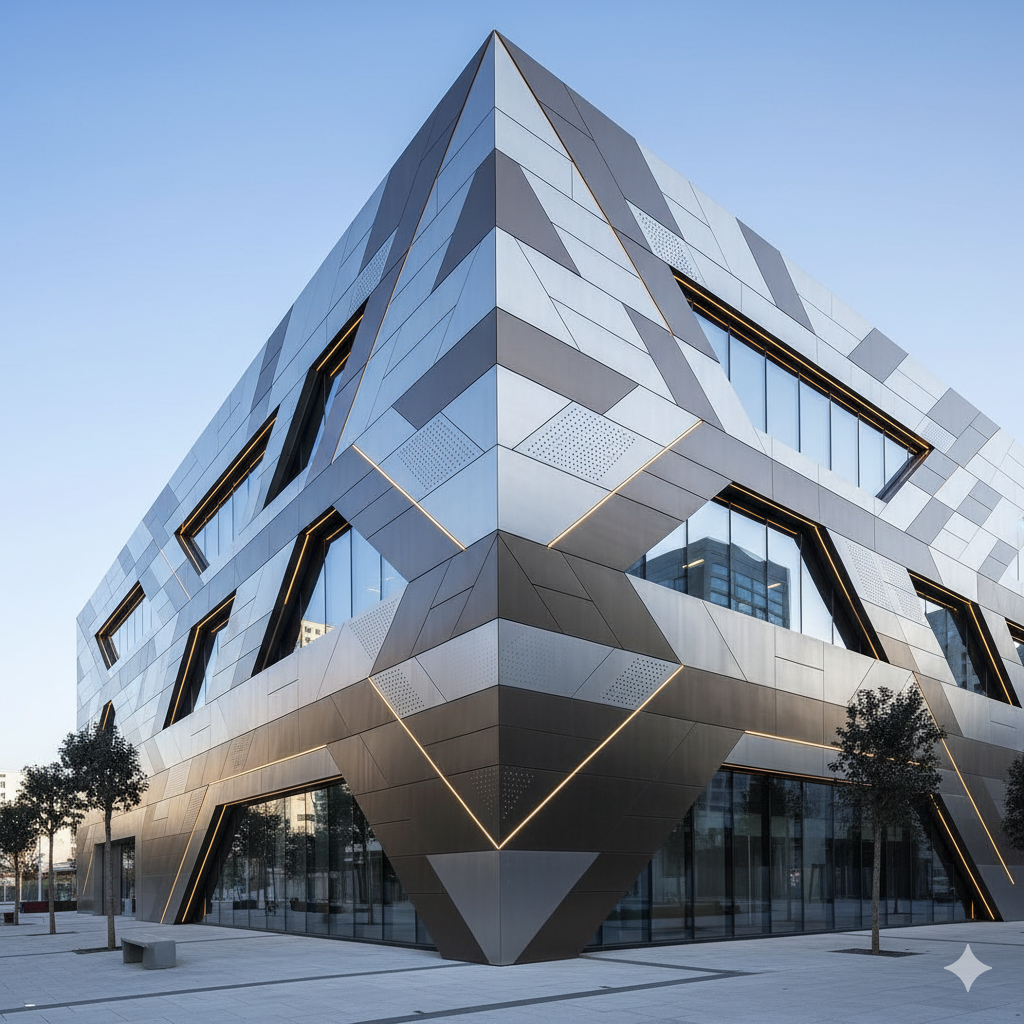
Aluminum composite material (ACM) is a manufactured panel consisting of two thin aluminum sheets bonded to a core, typically made of polyethylene or a similar substance. This combination delivers a lightweight yet strong and durable solution widely used in construction, signage, and architectural applications. Its design allows for both functional and aesthetic advantages, making it a practical choice across multiple industries.
Because of its rigidity and smooth surface, ACM is favored for exterior cladding and interior projects where visual appeal and structural integrity are important. It also offers resistance to weather and corrosion, contributing to its longevity in demanding environments. These attributes create opportunities for innovative designs while maintaining cost efficiency and ease of installation.
What Is Aluminum Composite Material?
Aluminum composite material is a layered product designed for lightweight strength and durability. It features a unique construction that combines different materials to meet performance and aesthetic needs. Variations of this material accommodate diverse applications and environmental demands.
Key Components and Structure
Aluminum composite material consists of two thin aluminum sheets bonded to a core layer. The core is typically made of polyethylene (PE) or fire-retardant (FR) mineral substances. This sandwich structure provides rigidity while maintaining light weight.
The aluminum sheets serve as protective outer layers, offering corrosion resistance and a smooth surface. The choice of core influences the material’s thermal insulation, fire resistance, and overall strength. The bonding process ensures these layers act as a single unit, improving mechanical properties and durability.
Types and Variations
There are several types of aluminum composite material, differentiated mainly by the core composition. The most common are:
- Polyethylene (PE) core: Lightweight, cost-effective, but less fire-resistant.
- Fire-retardant (FR) core: Contains mineral fillers to meet stricter fire safety standards.
- Other specialized cores: Include mineral-filled or non-combustible options used for high-safety applications.
Surface finishes vary too, including painted, anodized, or coated options to enhance aesthetics and durability. This diversity allows tailored use in construction, signage, and transportation sectors.
Properties and Performance
Aluminum composite material combines lightweight characteristics with high strength and rigidity. It demonstrates excellent weather resistance and corrosion protection due to the aluminum layers.
Thermal expansion is lower than pure aluminum, reducing deformation in changing temperatures. Depending on the core, ACM offers different fire performance ratings, which impact regulatory approvals in building codes.
Its smooth surface allows for easy fabrication, cutting, and bending without compromising structural integrity. These properties make it suitable for exterior cladding, signage, and more demanding industrial uses.
Applications and Benefits of Aluminum Composite Material
Aluminum composite material (ACM) combines strength, lightweight properties, and design flexibility, making it applicable across several industries. It offers fire resistance, weather durability, and ease of fabrication, which enhance its value in various practical uses.
Uses in Architecture and Construction
ACM panels are widely used for building facades, ventilated cladding systems, and interior wall coverings. Their lightweight nature reduces structural load while maintaining strength, making them suitable for both new buildings and renovations.
The material’s resistance to weather, UV radiation, and corrosion extends building longevity. It also provides improved insulation and energy efficiency when used in facades. ACM allows for creative architectural designs due to its smooth surfaces and variety of finishes.
Popular in commercial and residential projects, ACM supports fire safety standards better than many traditional cladding materials. It is also commonly employed in signage for its durability and aesthetic versatility.
Manufacturing and Industrial Applications
Beyond construction, ACM finds use in transportation, retail displays, and industrial equipment housings. Its durability and resistance to chemicals and vibrations make it suitable for vehicle interiors and protective casings.
Manufacturers value ACM for prototyping and production runs due to its ease of shaping, cutting, and bonding. It facilitates lightweight yet sturdy components that improve fuel efficiency and reduce handling weight without sacrificing durability.
In retail and exhibition settings, ACM is chosen for point-of-purchase displays and exhibit panels because of its clean appearance and resilience to wear and impact.
Advantages Over Traditional Materials
Compared to metals like steel or solid aluminum, ACM panels are much lighter, reducing installation time and costs. This weight reduction can also lower transportation expenses and structural support requirements.
The sandwich structure—with aluminum outer layers and a core material—improves impact resistance and vibration damping. ACM resists corrosion and many chemicals better than pure aluminum sheets.
Its versatility allows for painting, coating, or laminating with various finishes, supporting a wider range of design possibilities. Additionally, the material is cost-effective, balancing performance with affordability for multiple industries.