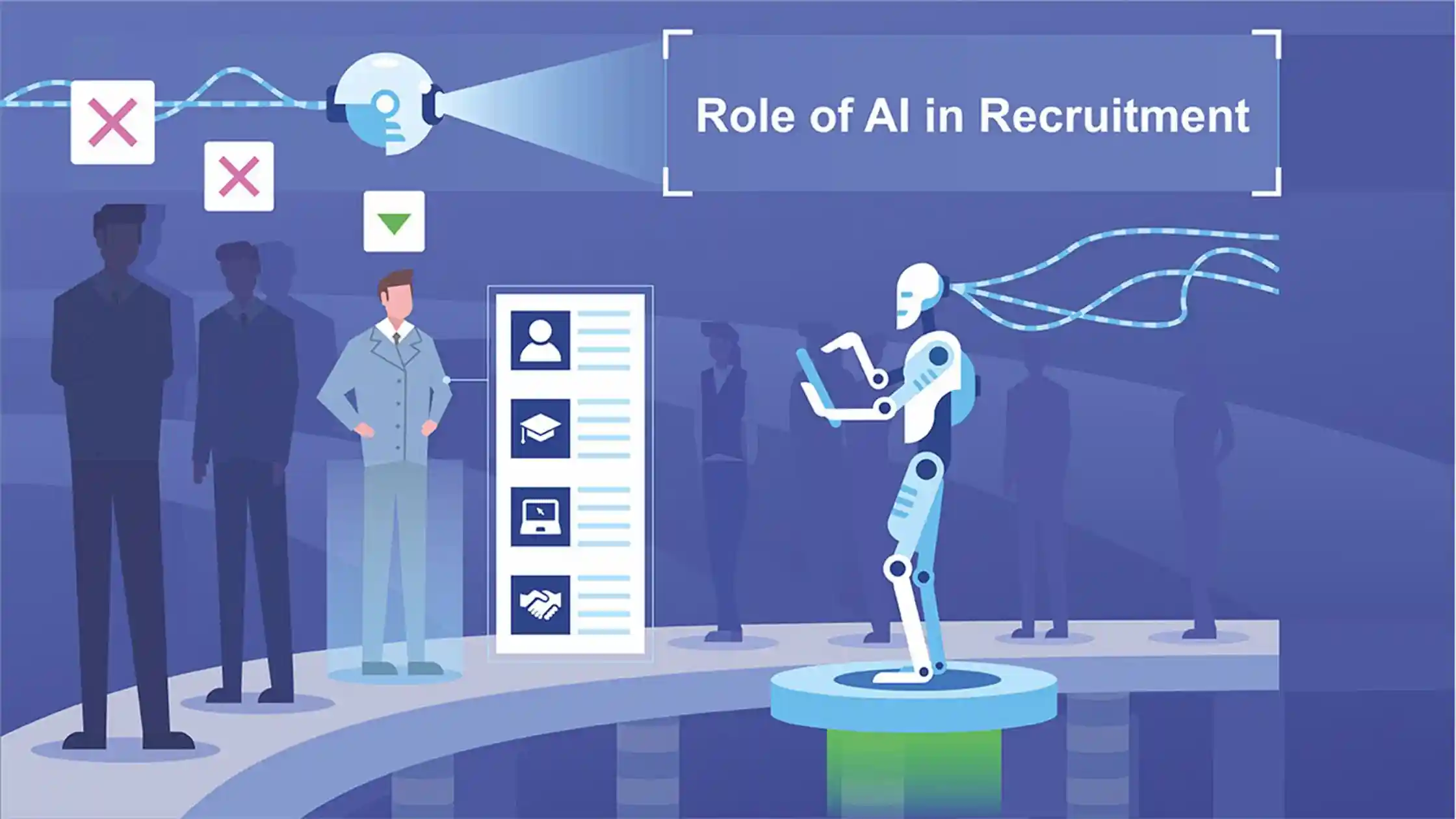
Hiring the right talent is one of the most important responsibilities of HR teams. However, traditional recruitment processes are often slow, manual, and resource-intensive. HR professionals spend countless hours screening resumes, scheduling interviews, and managing candidate communication, which can delay hiring decisions and impact business growth.
AI recruiting automation is changing how HR teams manage hiring. By using artificial intelligence to automate and optimize recruitment workflows, organizations can improve efficiency, reduce bias, and make smarter hiring decisions.
This guide explains what AI recruiting automation is, how it works, why HR teams are adopting it, its key benefits, challenges, and future trends, following a clear and business-friendly structure.
What Is AI Recruiting Automation?
AI in recruiting automation refers to the use of artificial intelligence technologies such as machine learning, natural language processing (NLP), and data analytics to automate and enhance various recruitment activities.
Unlike traditional applicant tracking systems, AI-powered recruitment tools can analyze large volumes of candidate data, identify patterns, and provide intelligent recommendations to HR teams. These tools continuously learn from hiring outcomes to improve accuracy over time.
AI recruiting automation is commonly used for:
- Resume screening and candidate matching
- Talent sourcing and job distribution
- Interview scheduling and communication
- Candidate engagement through chatbots
- Hiring analytics and reporting
How AI Recruiting Automation Works
AI recruiting systems work by processing structured and unstructured data from resumes, job descriptions, assessments, and past hiring decisions.
The process typically includes:
- Data Collection – Gathering resumes, job requirements, and candidate profiles
- AI Analysis – Matching skills, experience, and qualifications with job roles
- Automation Execution – Screening candidates, scheduling interviews, and sending updates
- Learning & Optimization – Improving recommendations based on hiring outcomes
This intelligent automation helps HR teams make faster and more accurate recruitment decisions.
Why HR Teams Are Adopting AI Recruiting Automation
Modern recruitment comes with increasing challenges, including high application volumes, skill shortages, and growing competition for top talent. Manual processes struggle to meet these demands.
HR teams adopt AI recruiting automation to:
- Reduce time-to-hire
- Improve candidate quality
- Minimize repetitive manual tasks
- Enhance candidate experience
- Support fair and data-driven hiring
AI helps HR departments operate more strategically and efficiently.
Key Benefits of AI Recruiting Automation for HR Teams
Faster Hiring Process
AI automates time-consuming tasks such as resume screening and interview scheduling. This significantly reduces hiring timelines and helps organizations fill roles faster without sacrificing quality.
Improved Candidate Screening Accuracy
AI analyzes resumes based on skills, experience, and job relevance rather than keywords alone. This leads to better candidate-job matching and reduces the risk of overlooking qualified applicants.
Reduced Recruitment Costs
By automating repetitive recruitment tasks, AI HR agent development teams can manage higher workloads without increasing staffing costs. This lowers cost-per-hire and reduces dependency on external recruiters.
Better Candidate Experience
AI-powered chatbots and automated communication tools keep candidates informed throughout the hiring process. Faster responses and clear updates improve engagement and strengthen employer branding.
Better Use of HR Team Resources
AI frees HR professionals from administrative tasks, allowing them to focus on strategic initiatives such as employer branding, workforce planning, and employee engagement.
Data-Driven Hiring Decisions
AI recruiting tools provide detailed analytics and insights on hiring performance. HR teams can track metrics like time-to-hire, candidate quality, and recruitment efficiency to improve decision-making.
Support for Fair and Unbiased Hiring
When designed and monitored correctly, AI automation reduces unconscious bias by evaluating candidates based on predefined criteria. This supports diversity, equity, and inclusion goals.
Scalability for Growing Organizations
AI recruiting systems can handle thousands of applications simultaneously, making them ideal for high-volume or rapid hiring needs without compromising quality.
Common Use Cases of AI Recruiting Automation
AI recruiting automation is widely used across industries in areas such as:
- Automated resume screening and ranking
- AI-powered chatbots for candidate interaction
- Interview scheduling and coordination
- Talent sourcing from multiple platforms
- Recruitment performance analytics
These use cases help HR teams manage recruitment more efficiently and consistently.
Challenges of AI Recruiting Automation
Despite its benefits, AI recruiting automation also presents challenges:
- Dependence on high-quality and unbiased training data
- Integration complexity with existing HR systems
- Need for transparency in AI-driven decisions
- Requirement for ongoing monitoring and human oversight
Addressing these challenges is essential for ethical and effective AI adoption.
Best Practices for HR Teams Using AI Recruiting Automation
To get the most value from AI recruiting automation, HR teams should:
- Clearly define recruitment goals and KPIs
- Use AI as a support tool, not a replacement for human judgment
- Regularly audit AI systems for fairness and accuracy
- Train HR teams to work effectively with AI tools
- Maintain transparency with candidates about AI usage
A balanced approach ensures sustainable and ethical implementation.
The Future of AI Recruiting Automation
The future of recruitment will be increasingly intelligent and data-driven. Emerging trends include:
- Skill-based hiring powered by AI
- Predictive hiring analytics
- Personalized candidate engagement
- Deeper integration with workforce planning systems
AI will continue to empower HR teams by making recruitment faster, smarter, and more human-focused.
Conclusion
AI recruiting automation is transforming how HR teams attract, evaluate, and hire talent. By improving efficiency, accuracy, scalability, and candidate experience, AI enables HR professionals to focus on strategic initiatives rather than manual tasks.
For organizations looking to build strong and future-ready teams, AI recruiting automation offers a powerful solution that aligns hiring processes with modern business needs.
FAQs
What is AI recruiting automation?
AI recruiting automation is the use of artificial intelligence technologies such as machine learning and natural language processing to automate and improve recruitment tasks like resume screening, candidate shortlisting, and interview scheduling.
How does AI recruiting automation benefit HR teams?
AI recruiting automation helps HR teams reduce time-to-hire, improve candidate screening accuracy, lower recruitment costs, and enhance candidate experience by automating repetitive and time-consuming tasks.
Can AI recruiting automation reduce hiring bias?
Yes, when implemented correctly, AI recruiting automation can reduce unconscious bias by evaluating candidates based on skills, experience, and job-related criteria rather than personal assumptions. However, regular monitoring and human oversight are essential.