Building integrated photovoltaics BIPV are solar technologies that replace conventional building materials in parts of a building’s envelope, such as roofs, façades, or windows. BIPV systems generate electricity while simultaneously serving as functional architectural elements, making them both energy producers and structural components. This dual role distinguishes BIPV from traditional solar panels, which are typically mounted on top of existing structures without contributing to the building’s form.
As buildings increasingly aim for energy efficiency and sustainability, BIPV offers a way to integrate clean energy seamlessly into design and construction. Its applications extend beyond energy generation to include aesthetic and material innovation, which can transform the way cities approach renewable power. This technology continues to grow as more advanced photovoltaic materials become available and the demand for low-carbon buildings rises.
Core Principles of Building Integrated Photovoltaics (BIPV)
Building Integrated Photovoltaics (BIPV) combine solar energy generation with essential building functions such as structural support and weatherproofing. The technology is adaptable, serving both architectural and electrical needs while contributing to energy efficiency and sustainability.
Definition and Overview of BIPV
BIPV refers to solar power systems that are integrated directly into the building envelope, including roofs, façades, or windows. Unlike traditional solar panels mounted on existing structures, BIPV replaces conventional building materials, fulfilling dual functions: generating electricity and acting as part of the building’s fabric.
This integration means BIPV systems can seamlessly blend into a building’s design, enhancing aesthetics and functionality. They also contribute to reducing a building’s overall energy consumption, aligning with energy efficiency and decarbonization goals in urban environments.
Types of BIPV Technologies
BIPV technologies vary primarily based on their placement and material composition. The main types include:
- Façade systems: Photovoltaic elements installed on external walls.
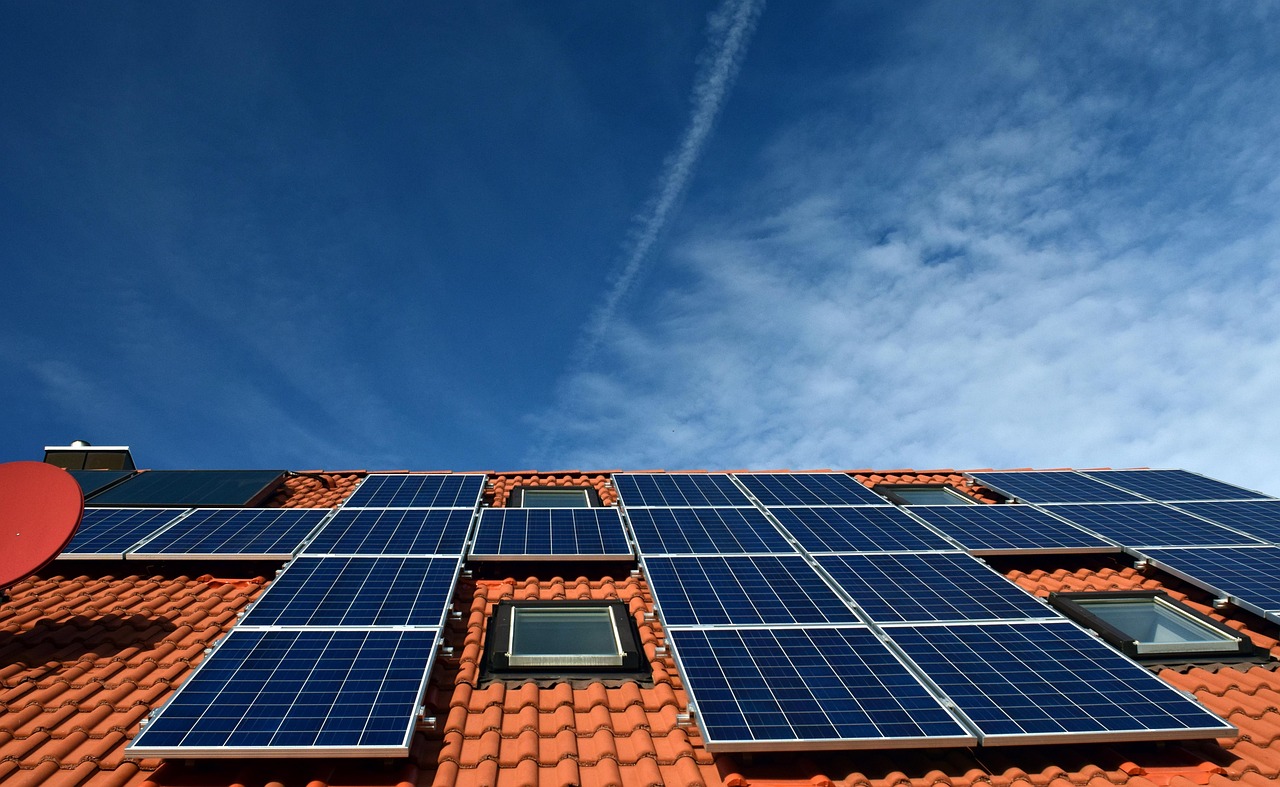
- Roof-integrated systems: Solar modules serving as roofing materials like shingles or tiles.
- Window-integrated systems: Semi-transparent PV glass used for curtain walls or skylights.
Materials used often combine silicon-based cells or thin-film technologies, depending on factors like cost, efficiency, and architectural compatibility. Each technology type balances energy output with design flexibility.
Key Components and System Architecture
A typical BIPV system consists of photovoltaic modules that convert sunlight into electricity, integrated wiring, inverters to convert DC to AC power, and mounting frameworks embedded in building components. These elements work together with building systems, including electrical infrastructure and weatherproofing layers.
The architecture involves careful coordination between architectural design and electrical engineering to ensure structural integrity and energy performance. Optimization requires considering solar orientation, shading, and material properties to maximize efficiency while maintaining building standards.
Design, Benefits, and Applications of BIPV
Building-Integrated Photovoltaics (BIPV) merge solar energy generation with the physical elements of buildings, creating systems that are both functional and part of the architectural design. This fusion influences the choice of integration techniques, energy output, and the environmental and aesthetic impact.
Integration Strategies in Architecture
BIPV can be incorporated into various building envelope components such as roofs, facades, windows, and shading elements. Integration often occurs during new construction but is also feasible during retrofits when replacing or upgrading building envelopes. The material and structural design must accommodate photovoltaic cells without compromising the building’s integrity or performance.
Designers choose between fully integrated systems, where PV modules replace traditional materials, and semi-integrated approaches, which combine PV with existing construction elements. Placement is critical to maximize solar exposure and align with the building’s orientation and shading conditions. Compatibility with electrical and mechanical systems is also essential, impacting installation methods and maintenance accessibility.
Energy Performance and Efficiency
BIPV systems generate electricity while serving as part of the building envelope, contributing to net-zero energy goals and reducing reliance on external power sources. Their efficiency hinges on cell technology, orientation, and the quality of integration.
While BIPV modules may have slightly lower efficiency compared to traditional PV panels due to design constraints, they optimize space use by replacing conventional cladding or roofing materials. Performance can be affected by factors such as shading, temperature variations, and the angle of installation. Integration with energy storage and management systems enhances overall building energy performance, enabling better load balancing and resilience.
Aesthetic and Environmental Advantages
BIPV offers architects an opportunity to blend renewable energy generation with aesthetic design, avoiding the bulky appearance of traditional solar panels. Modules can be customized in color, shape, and size to match architectural styles without sacrificing visual appeal.
Environmentally, BIPV reduces the building’s carbon footprint by generating clean energy onsite and lowering material use through substitution for traditional envelope components. By harnessing solar energy locally, BIPV systems cut greenhouse gas emissions and contribute to sustainable urban development. Their multifunctional role supports both energy efficiency and architectural innovation.