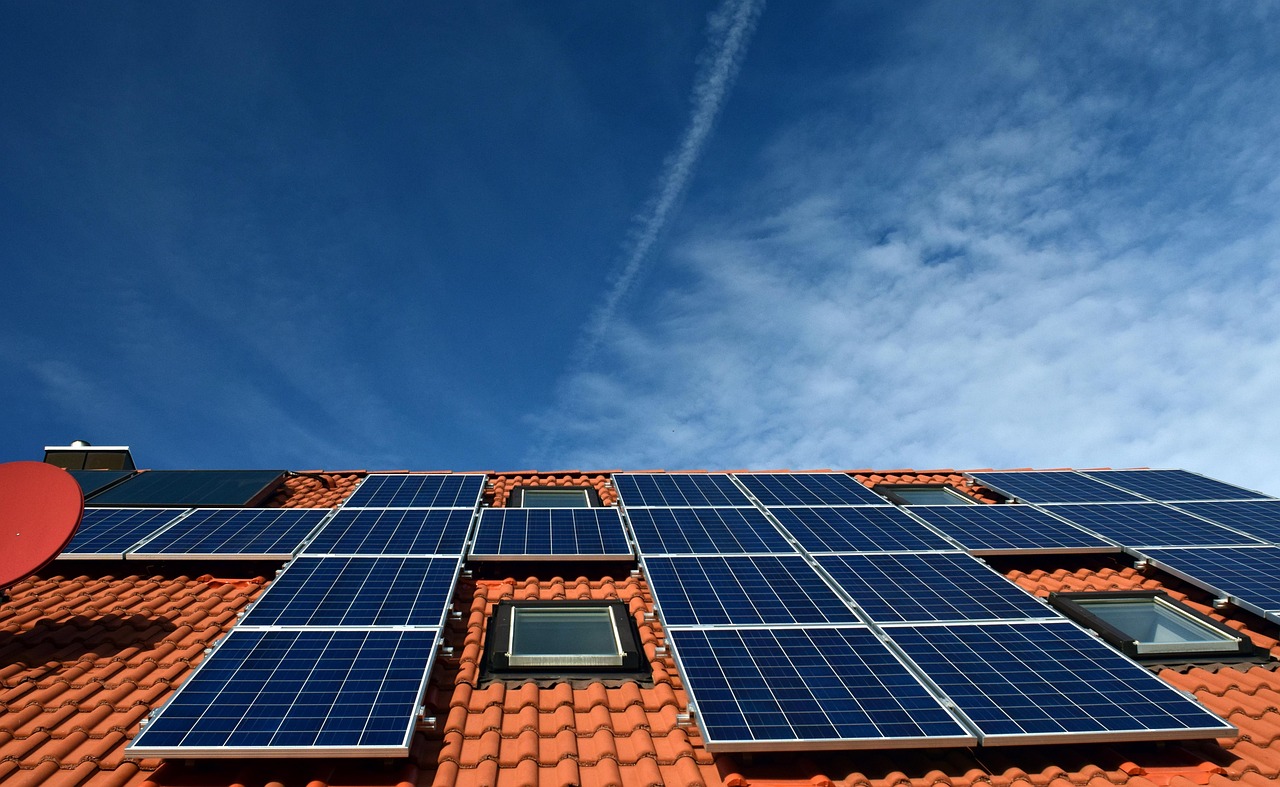
Building integrated solar panels are photovoltaic systems that are directly incorporated into the structure of a building, such as roofs, facades, or windows. Unlike traditional solar panels, which are mounted on top of existing surfaces, these panels serve a dual purpose by generating electricity while also functioning as part of the building’s envelope. This integration helps buildings reduce their energy consumption without sacrificing design or space.
These systems offer a seamless way to harness solar power by replacing conventional building materials with energy-generating alternatives. This approach eliminates additional land use and can enhance the overall aesthetics of the building by blending technology with architecture.
As solar technology advances, building integrated solar panels become increasingly viable for meeting energy needs in urban environments. They represent a merging of sustainability and modern design that can contribute to lower energy costs and reduce reliance on non-renewable power sources.
Overview of Building Integrated Solar Panels
Building integrated solar panel combines the functionality of solar electricity generation with architectural design. These systems are seamlessly incorporated into building materials, serving both as energy harvesters and structural components. Their design, types, and benefits differ notably from conventional mounted solar panels.
Definition and Key Features
Building Integrated Photovoltaics (BIPV) are solar modules embedded directly into the building envelope. Unlike regular solar panels that are mounted on roofs or racks, BIPV becomes part of façades, roofs, windows, or other architectural elements. This integration allows the system to serve a dual purpose: generating electricity while replacing conventional building materials.
Key features include aesthetic integration, weather protection, and energy production. BIPVs often have customizable shapes, colors, and transparency levels, enabling architects to maintain or enhance a building’s design. They also contribute to the building’s insulation and weather resistance by functioning as external cladding or roofing material.
Types of Building Integrated Photovoltaics
BIPV systems come in different forms depending on their placement and design. The main types include:
- Roof-integrated panels: Replace traditional roofing materials, providing weatherproofing.
- Façade-integrated panels: Serve as exterior walls or curtain walls with solar capability.
- Window-integrated panels: Use semi-transparent solar glass that generates power while allowing light transmission.
- Balcony and shading devices: Incorporate solar modules into sunshades or balcony railings.
Each type varies in efficiency and impact on building performance. For example, semi-transparent panels allow daylighting but usually produce less energy than opaque modules. The choice depends on architectural requirements and energy goals.
Advantages Over Traditional Solar Panels
BIPV systems offer several advantages compared to conventional mounted solar panels. They reduce material overlap by replacing roofing or façade components, which can lower overall construction costs. Integration also improves the building’s aesthetics, avoiding bulky, visually intrusive panels.
Thermal performance improves because BIPVs act as an additional layer of insulation. This can reduce heating and cooling loads. Additionally, integrated systems often have longer lifespans as they are protected from mechanical damage and environmental exposure. Lastly, because BIPV is built into the structure, it can simplify permitting and installation logistics in new building projects.
Design and Implementation
Effective design and implementation of building-integrated solar panels require careful attention to placement, visual impact, and the choice of materials. These factors ensure the system not only generates energy efficiently but also complements the building’s function and appearance.
Integration Methods for Facades and Roofs
Solar panels can be integrated directly into a building’s facade or roof, serving dual roles as energy generators and structural elements. On roofs, panels often replace traditional materials like shingles or tiles, using waterproof and durable photovoltaic modules that align with roofing standards.
Facade integration involves embedding solar cells into curtain walls, windows, or exterior cladding, turning vertical surfaces into power sources while maintaining insulation and weather resistance. Orientation and tilt angles are critical for optimizing sunlight exposure, especially on facades, which receive less direct sunlight than roofs.
The integration process must consider wiring and system connections, ensuring they blend seamlessly with the building’s electrical infrastructure. Proper sealing and durability measures protect the panels from environmental stresses, extending their operational lifespan.
Aesthetic and Architectural Considerations
Aesthetics significantly influence the adoption of integrated solar panels. Designs must balance energy capture with visual appeal, avoiding bulky or obtrusive installations. Panels now come in varied colors, shapes, and transparency levels, allowing for architectural customization without compromising function.
Architects often select semi-transparent or colored photovoltaics for windows and facades, enhancing daylight while generating power. Integration with building geometry, such as curved surfaces or irregular layouts, requires bespoke solutions to maintain structural integrity and design coherence.
Coordination with the building’s style ensures the solar elements enhance rather than detract from the overall appearance. Surface finishes and framing play roles in harmonizing the panels with existing materials or architectural motifs.
Common Materials and Technologies
Building-integrated photovoltaics use different solar cell technologies, including monocrystalline, polycrystalline, and thin-film cells. Monocrystalline cells offer higher efficiency but are generally more expensive, while thin-film technologies provide flexibility and are suitable for curved surfaces.
Materials for integration often include tempered glass, encapsulants, and durable polymers that protect cells and permit light transmission when transparency is required. Modules may be laminated directly into building materials like glass or metal panels used in facades and roofing.
Emerging technologies such as bifacial cells capture sunlight from both sides, improving energy yield in reflective urban environments. Advances in materials focus on lightweight construction, ease of installation, and fire resistance to meet building codes and safety standards.
| Technology | Key Benefits | Typical Application |
| Monocrystalline cells | High efficiency | Roofs, high-output facades |
| Thin-film cells | Flexibility, light weight | Curved surfaces, windows |
| Bifacial cells | Increased output | Reflective surfaces |