Finding a reliable service for an electrical panel upgrade near me is essential for maintaining safety and efficiency in your home. Over time, older electrical panels may struggle to handle modern power demands, leading to potential hazards or frequent breaker trips. Upgrading the electrical panel ensures your home meets current electrical codes and supports today’s technology safely and effectively.
Many factors influence when an upgrade is needed, such as adding new appliances, experiencing frequent power outages, or noticing visible signs of wear in the panel. Skilled professionals near you can evaluate your system and recommend the right panel upgrade to increase capacity and protect your property.
Choosing a nearby expert can simplify the process, providing quick assessments, accurate cost estimates, and proper installation that meets local standards. This approach helps homeowners avoid the risks associated with outdated electrical panels while enhancing overall power management.
Understanding Electrical Panel Upgrades
Electrical panel upgrade involves replacing or enhancing the main control center that distributes electricity throughout a home. It ensures the system can handle modern appliances and increased power demands safely and efficiently. Upgrading also addresses potential safety risks and improves overall electrical performance.
What Is an Electrical Panel Upgrade
An electrical panel upgrade typically involves swapping an old or undersized panel for a new one with higher capacity. This includes installing a panel with more circuit breakers or increased amperage, usually moving from 60 or 100 amps to 150 or 200 amps. The upgrade allows the home to safely manage more electrical load.
It often requires removing the existing panel, rewiring circuits, and ensuring compliance with electrical codes. Licensed electricians perform inspections and obtain necessary permits before starting. Panels come in different types, such as main breaker panels and subpanels, each serving specific functions in power distribution.
When to Consider Upgrading Your Electrical Panel
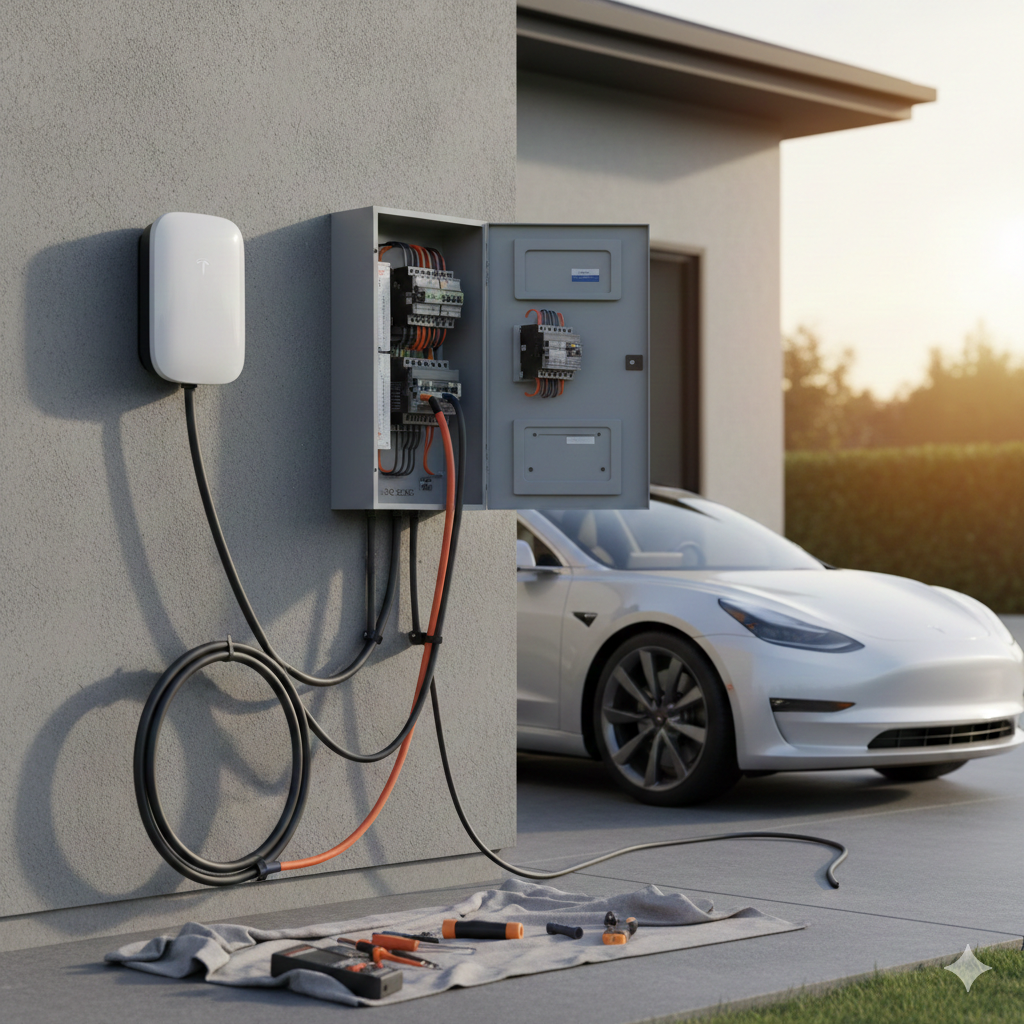
Several signs indicate the need for an upgrade. Flickering lights, frequent breaker trips, and outlets that don’t work can suggest an overloaded or aging panel. New home additions or upgraded appliances with high power needs, like electric vehicles or HVAC systems, also demand increased capacity.
If the panel is more than 20–30 years old, it likely lacks modern safety features. Panels from some manufacturers are known to pose fire risks and need replacement. Before major renovations, an electrical inspection can reveal if the panel supports current and future electrical loads safely.
Benefits of Upgrading Your Electrical Panel
Upgrading increases the electrical system’s capacity, enabling safe operation of multiple devices without breaker trips. It enhances home safety by reducing fire risks linked to outdated or faulty panels. Modern panels include better circuit protection and meet current electrical codes.
The upgrade also provides homeowners the ability to add circuits for new appliances or systems without rewiring the entire home. Increased efficiency and reliability reduce downtime and lower maintenance costs over time. This investment improves property value and prepares the home for future technological demands.
Choosing the Right Local Electrician
Selecting an electrician for an electrical panel upgrade requires careful consideration of several factors. It is essential to identify professionals with proper expertise, verify their credentials, and understand cost implications to ensure a safe and efficient upgrade.
How to Find Qualified Electricians Near You
Finding qualified electricians starts with local referrals and trusted platforms. Using services like national referral networks or local home improvement websites allows homeowners to compare multiple electricians based on ratings and reviews.
It is critical to choose electricians who specialize in panel upgrades rather than general electrical work. Direct contact should confirm availability, experience in handling permits, and familiarity with local electrical codes.
Homeowners should request references or examples of completed panel upgrade projects. This helps verify reliability and workmanship quality. Ultimately, selecting a professional nearby reduces travel-related delays and ensures quicker service.
Evaluating Credentials and Experience
Credentials are the foundation of electrician qualifications. A licensed electrician adheres to local and national electrical codes, which is crucial for safety and insurance compliance. Verification involves checking valid licenses and insurance coverage.
Experience is equally important, especially with panel upgrades where complexity varies by home age and electrical demand. Electricians with several years of focused panel upgrade work are more likely to identify hidden issues and recommend appropriate solutions.
Ask if the electrician is familiar with the specific type and capacity of the panel being installed or replaced. Certified electricians often participate in continuing education, ensuring they stay current with code changes and technology.
Cost Factors for Electrical Panel Upgrades
Electrical panel upgrade costs depend on several variables: panel size, brand, labor rates, and the complexity of the existing wiring. Larger panels or those with higher amperage require more materials and installation time, increasing costs.
Labor charges vary by region and electrician experience. Additional costs may include permits, inspections, and any necessary upgrades to the electrical system or breakers.
Requesting detailed quotes from multiple electricians helps compare pricing transparently. It’s important to balance cost against qualifications and service quality rather than opting for the lowest bid without verification.