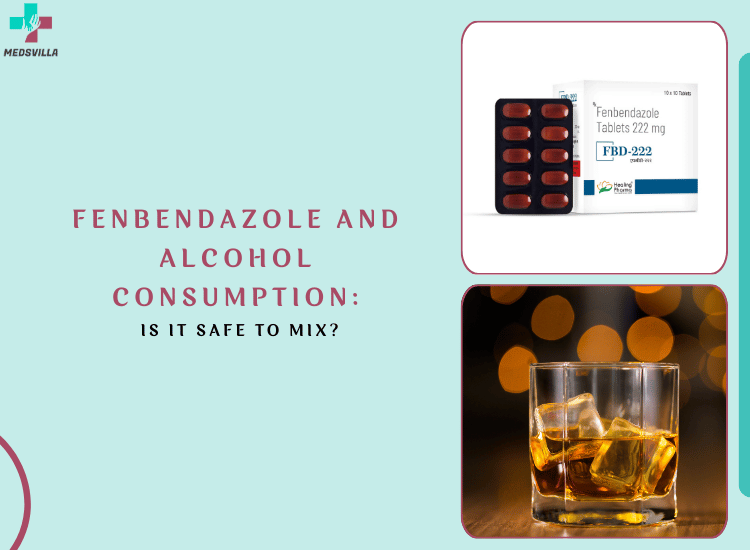
Fenbendazole is a widely used antiparasitic medication primarily prescribed in veterinary medicine to treat intestinal worms in animals such as dogs, cats, horses, and livestock. In recent years, fenbendazole has gained attention beyond veterinary use, leading many people to ask important safety questions—one of the most common being whether it is safe to consume alcohol while taking fenbendazole.
Although fenbendazole is not approved for human use in many countries, understanding its interactions, especially with alcohol, is essential for minimizing health risks. This article explores how fenbendazole works, how alcohol affects the body, and what happens when the two are combined.
What Is Fenbendazole?
Fenbendazole belongs to the benzimidazole class of antiparasitic drugs. It works by disrupting the metabolism of parasites, preventing them from absorbing glucose. This ultimately starves the parasites and causes them to die.
In veterinary practice, fenbendazole is commonly used to treat:
-
Roundworms
-
Hookworms
-
Whipworms
-
Certain tapeworms
-
Giardia infections in animals
Fenbendazole is generally considered safe for animals when used as directed, with relatively mild side effects such as vomiting or diarrhea in some cases.
How Is Fenbendazole Metabolized?
Once ingested, fenbendazole is absorbed through the gastrointestinal tract and metabolized primarily in the liver. The liver converts fenbendazole into active metabolites, such as oxfendazole, which help eliminate parasites from the body.
Because the liver plays a central role in processing fenbendazole, any substance that affects liver function—such as alcohol—may potentially influence how the drug behaves in the body.
How Alcohol Affects the Body

Alcohol is also metabolized by the liver. Even moderate alcohol consumption temporarily increases the liver’s workload, while heavy or chronic drinking can lead to liver inflammation, fatty liver disease, or more severe conditions such as hepatitis or cirrhosis.
Common effects of alcohol on the body include:
-
Increased liver enzyme activity
-
Dehydration
-
Gastrointestinal irritation
-
Suppressed immune function
-
Fatigue and dizziness
When alcohol is consumed alongside medications that rely on liver metabolism, there is a higher risk of unwanted interactions or side effects.
Fenbendazole and Alcohol: Is There a Known Interaction?
There is limited scientific research specifically examining the interaction between fenbendazole and alcohol in humans. However, based on what is known about liver metabolism and drug safety, combining fenbendazole with alcohol may increase the risk of side effects.
Potential Risks of Mixing Fenbendazole and Alcohol
-
Increased Liver Strain
Both fenbendazole and alcohol are processed by the liver. Consuming them together may overload the liver, especially in individuals with existing liver conditions or heavy alcohol use. -
Gastrointestinal Side Effects
Fenbendazole can sometimes cause nausea, stomach discomfort, or diarrhea. Alcohol may worsen these symptoms by irritating the stomach lining. -
Reduced Drug Effectiveness
Alcohol can interfere with how medications are absorbed and metabolized. This may reduce fenbendazole’s effectiveness in eliminating parasites. -
Fatigue and Dizziness
Combining alcohol with medications can amplify side effects such as dizziness, weakness, or headaches.
Who Should Be Extra Cautious?
Certain individuals may face a higher risk when combining fenbendazole and alcohol, including:
-
People with liver disease or elevated liver enzymes
-
Individuals who consume alcohol regularly or heavily
-
Those taking other medications that affect liver function
-
People with weakened immune systems
For these individuals, avoiding alcohol entirely while using fenbendazole is especially important.
Is Occasional Alcohol Use Safe?
For animals, alcohol consumption is irrelevant, as fenbendazole is used strictly under veterinary guidance. For humans who may be taking fenbendazole for non-standard reasons, safety data is limited.
From a general health perspective, even occasional alcohol use may not be advisable while fenbendazole is in the system. Since the drug remains active in the body for several hours to days, depending on dosage and metabolism, abstaining from alcohol during treatment and for a short period afterward is the safest approach.
General Safety Recommendations
If fenbendazole use is unavoidable or already underway, consider the following precautions:
-
Avoid alcohol entirely during treatment
-
Stay well-hydrated to support liver and kidney function
-
Monitor for symptoms such as abdominal pain, nausea, yellowing of the eyes or skin, or unusual fatigue
-
Avoid other liver-stressing substances, including acetaminophen (paracetamol) and recreational drugs
-
Consult a healthcare professional if any adverse effects occur
Important Disclaimer on Human Use
It is important to note that fenbendazole is not approved for routine human use in many countries. Self-administering veterinary medications can carry serious health risks due to incorrect dosing, impurities, or lack of medical supervision.
If you are considering fenbendazole for any reason, always seek advice from a qualified medical professional. They can help assess risks, monitor liver health, and recommend safer, approved alternatives when available.
Final Thoughts
While no definitive clinical data have proven a dangerous interaction between fenbendazole and alcohol, combining the two is generally not recommended. Both substances place stress on the liver, and their combined use may increase the likelihood of side effects, reduce treatment effectiveness, and pose unnecessary health risks.
The safest choice is to avoid alcohol entirely while using fenbendazole and to prioritize liver health through hydration, balanced nutrition, and medical guidance. When it comes to medications—especially those not intended for human use—caution, awareness, and professional advice are essential.