
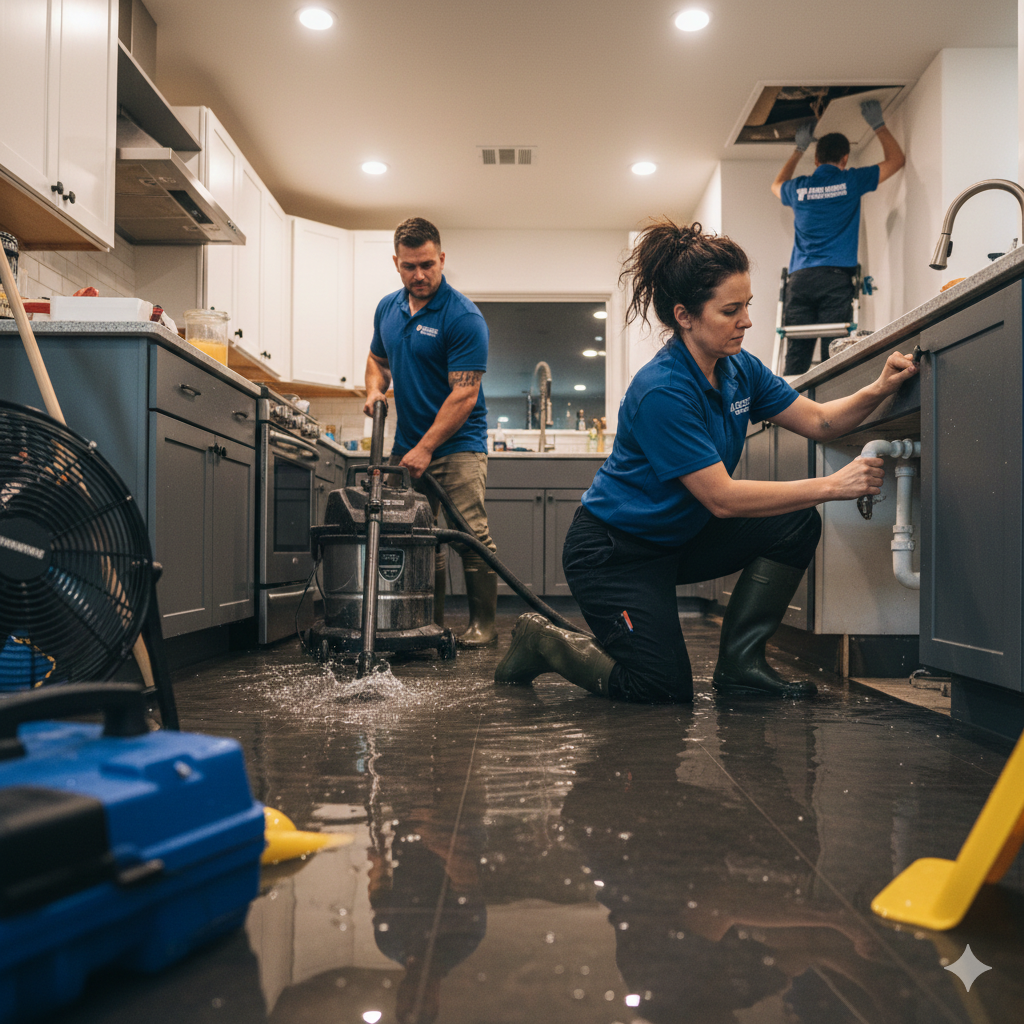
Flood restoration services address damage caused by water intrusion from flooding, leaks, or plumbing failures. They focus on removing water, drying affected areas, and repairing structural damage to prevent long-term issues like mold growth and material deterioration. These services often include emergency response, water extraction, drying, mold remediation, and full property restoration to return a building to its pre-flood condition.
Professional flood restoration teams use specialized equipment and techniques to manage the cleanup efficiently and reduce disruption to property owners. Their work is critical in minimizing health risks and costly repairs by responding quickly and thoroughly to water damage events.
Companies offering these services typically operate 24/7 to tackle emergencies promptly. Their trained staff assess the damage, implement cleanup plans, and carry out necessary repairs, emphasizing safe and effective restoration processes.
Flood Restoration Services Overview
Flood restoration involves addressing different types of damage that water can cause and applying specific techniques to recover affected properties. Timely actions and efficient procedures are crucial to minimize long-term damage and health risks.
Types of Flood Damage
Flood damage can be categorized into three main types: clean water, gray water, and black water damage. Clean water damage comes from sources like broken pipes, posing fewer health risks. Gray water damage involves water with some contaminants, such as from dishwasher or washing machine leaks. Black water damage is the most severe, often from sewage or floodwaters, and requires specialized handling due to health hazards.
Structural damage may include weakened foundations, warped flooring, and compromised drywall. Electrical systems and personal belongings can also be affected. Moisture can lead to mold growth and further deterioration if not addressed quickly.
Restoration Techniques
Restoration starts with water extraction using pumps and vacuums to remove standing water. Next, structural drying uses air movers, dehumidifiers, and fans to eliminate residual moisture from walls, floors, and furniture. This step is critical to prevent mold growth.
Sanitization follows, especially for gray and black water damage. Professionals apply antimicrobial treatments to eliminate bacteria and odors. In cases of severe damage, demolition of unsalvageable materials and reconstruction may be necessary. Content cleaning and restoration services handle personal property affected by the flood.
Emergency Response Procedures
Rapid response is essential in flood restoration. Technicians typically aim to arrive within 45 minutes to an hour after the emergency call. Initial steps include assessing the extent of damage and identifying hazard areas.
Safety protocols ensure electrical systems are shut off and contaminated water is handled appropriately. Emergency services focus on water extraction and structural drying to mitigate further damage. Many companies offer 24/7 availability to respond promptly to emergencies at any time of day.
Communication with property owners is maintained throughout the process, providing updates on restoration progress and safety measures.
Choosing a Professional Flood Restoration Company
Selecting the right flood restoration company requires attention to credentials and the ability to respond quickly in emergencies. Both elements impact the quality of restoration and the prevention of further damage, such as mold growth.
Certifications and Experience
A professional flood restoration company should hold industry-recognized certifications. These include credentials from organizations like the Institute of Inspection, Cleaning and Restoration Certification (IICRC). Certifications demonstrate that the technicians understand proper restoration standards and techniques.
Experience matters as well. Companies with a proven track record in flood damage restoration are more likely to provide efficient and thorough services. They should have expertise in water extraction, drying, mold prevention, and structural repairs. Checking for positive customer reviews and case studies can provide insight into their reliability and competency.
Response Time and Availability
Flood damage requires immediate attention to minimize loss. A restoration company should offer 24/7 emergency service with a rapid response time, ideally within 30 minutes. Quick mobilization reduces water penetration and limits structural and material damage.
Availability during weekends, holidays, and off-hours is also crucial. The company must be prepared to start remediation work as soon as possible after the call. Delays could lead to increased costs and health hazards from issues like mold growth. Clear communication about response protocols and estimated arrival times helps set expectations correctly.