
Stamford Hill is unlike any other part of North London. With its close-knit communities, high density of family homes, and a large number of long-term rental properties, housing here tends to be lived in hard and lived in for a long time. That reality makes gas safety less of a theoretical requirement and more of an everyday responsibility.
A Gas Safety Certificate in Stamford Hill isn’t simply a legal form that landlords obtain once a year and forget about. It plays a central role in protecting households, ensuring continuity for large families, and keeping property owners on the right side of both safety law and local authority scrutiny.
Whether you manage a rental property near Clapton Common or live in a multi-generational home off Stamford Hill itself, understanding how gas safety applies locally is essential.
What a Gas Safety Certificate Really Covers
A Gas Safety Certificate (often referred to as a CP12) confirms that a Gas Safe registered engineer has inspected all gas appliances, pipework, and flues in a property and found them safe at the time of inspection.
In real-world terms, it:
- Confirms appliances are operating safely and efficiently
- Reduces the risk of carbon monoxide exposure
- Provides legal protection for landlords
- Creates a clear maintenance record for insurers and councils
In Stamford Hill properties, where gas systems often serve large households and run almost constantly, these checks are particularly important.
Why Gas Safety Is Especially Important in Stamford Hill
Many Stamford Hill homes are older terraces or converted houses, often adapted to meet the needs of larger families. Common features include:
- Multiple gas appliances in regular use
- Boilers working under sustained demand
- Alterations made over time to kitchens, lofts, or extensions
These factors increase wear and tear on gas systems. Engineers working locally often find ventilation issues, ageing boilers, or flues affected by building modifications.
A valid Gas Safety Certificate in Stamford Hill ensures these risks are identified early, helping prevent serious safety incidents and costly disruptions.
Legal Responsibilities for Landlords in Stamford Hill
If you rent out a property in Stamford Hill, gas safety is a strict legal requirement.
Landlords must:
- Arrange a gas safety check every 12 months
- Use a Gas Safe registered engineer
- Provide tenants with a copy of the certificate within 28 days
- Give new tenants the certificate before they move in
- Retain records for at least two years
Hackney Council actively enforces safety standards, particularly in high-occupancy households. Missing or expired certificates can lead to fines, enforcement action, and difficulties if tenancy disputes arise.
This is why many landlords rely on established providers like gassafetycertificateuk.co.uk to manage inspections consistently and correctly.
What Homeowners in Stamford Hill Should Know
Homeowners are not legally required to hold a Gas Safety Certificate, but in Stamford Hill, many choose to arrange regular inspections anyway.
For owner-occupiers, annual gas checks:
- Improve household safety for large or multi-generational families
- Reduce the likelihood of sudden boiler failure
- Help maintain heating efficiency during winter
- Support smoother property sales or remortgaging
In homes where heating and hot water demand is high, preventative checks often save money and inconvenience over time.
What Happens During a Gas Safety Inspection?
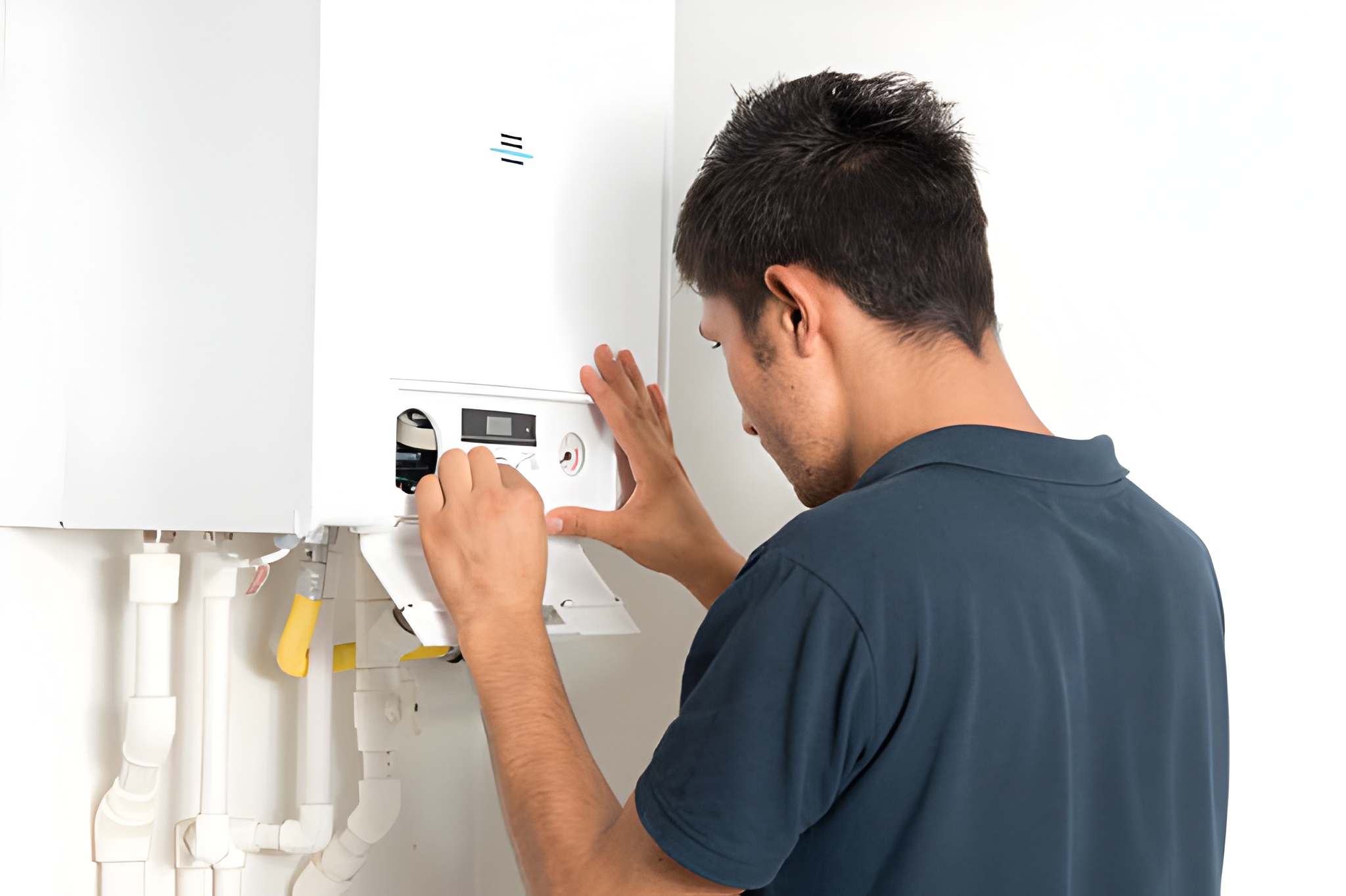
A standard gas safety inspection is methodical and usually completed within an hour.
The engineer will:
- Inspect boilers, cookers, and gas heaters
- Check flues and ventilation pathways
- Test gas pressure and pipe integrity
- Look for leaks, corrosion, or poor combustion
- Document findings and issue the certificate
If an issue is identified, it will be clearly explained along with whether immediate action is required. Services such as gassafetycertificateuk.co.uk are familiar with Stamford Hill property layouts, which helps inspections run smoothly.
Practical Tips for Staying Compliant Year After Year
Gas safety is much easier when it’s planned.
Helpful habits include:
- Booking inspections 10–11 months after the previous check
- Combining gas safety checks with boiler servicing
- Keeping digital copies of certificates
- Notifying tenants well in advance of appointments
These steps help avoid last-minute cancellations and compliance gaps.
Gas Safety and Long-Term Property Care in Stamford Hill
Gas safety records are increasingly important during:
- Council inspections
- Insurance renewals
- Property sales and surveys
- Tenant complaints or disputes
Consistent certification demonstrates responsible ownership and care for occupants. For landlords, it also builds trust and stability in long-term tenancies.
Common Gas Safety Issues Found in Stamford Hill Homes
Based on local inspection patterns, typical issues include:
- Boilers operating beyond recommended service life
- Ventilation restricted by storage or renovations
- Flues affected by extensions or roof alterations
- Carbon monoxide alarms missing or incorrectly positioned
Regular certification ensures these problems are addressed before they escalate.
Final Thoughts
A Gas Safety Certificate in Stamford Hill is not just about legal compliance—it’s about protecting households, maintaining reliable heating systems, and ensuring long-term property stability in a busy, family-focused area.
Handled properly, gas safety becomes part of everyday responsible ownership, quietly supporting safe and comfortable living year after year.
Frequently Asked Questions: Gas Safety Certificate in Stamford Hill
Is a Gas Safety Certificate legally required in Stamford Hill?
Yes, for all rental properties. Homeowners are not legally required but are strongly encouraged to arrange regular inspections.
How long is a Gas Safety Certificate valid?
It is valid for 12 months from the inspection date.
Can one certificate cover multiple households?
No. Each self-contained rental unit requires its own Gas Safety Certificate.
What if tenants refuse access?
Landlords must show reasonable efforts to gain access, including written notices and follow-ups.
Does a boiler service replace a Gas Safety Certificate?
No. A boiler service alone does not fulfil the legal gas safety requirement unless all checks are completed and recorded.
How much notice should tenants receive?
At least 24 hours’ notice is recommended, though more notice is best practice.