Healthy meal prep is one of the easiest ways to stay consistent with nutritious eating. It helps you save time, reduce stress, and avoid unhealthy food choices during busy weekdays. By preparing meals in advance, you can control ingredients, portion sizes, and overall nutrition.
From weight loss goals to improving daily energy, meal prepping supports healthier routines without requiring complex cooking skills. Many people use healthy meal prep to reduce reliance on fast food and make smarter decisions when hunger hits.
Meal prep can work for any lifestyle—whether you’re preparing breakfast for the week, packing work lunches, or organizing family dinners. With a simple plan and a few reliable recipes, meal prepping can become a sustainable habit.
Finding healthy meal prep recipes is easier than ever. Many websites and recipe platforms offer meal prep-friendly options with easy instructions and storage tips.
This guide explores why healthy meal prep matters, what to expect when starting, key essentials to prepare, program styles, and real-life strategies to help you build long-term consistency.
Summary
This guide explains why healthy meal prep is a powerful tool for improving nutrition, saving time, and supporting weight management goals. It covers the key benefits of meal prepping, what to expect when starting a routine, and the essential skills and tools needed for success. You’ll learn how to plan balanced meals (protein, fiber, healthy fats), how to choose meal prep-friendly recipes, how to store meals safely, and how to build realistic weekly meal prep schedules. The guide also includes meal prep types for different lifestyles, real-life scenarios, FAQs, and practical tips for creating sustainable healthy habits.
Why Healthy Meal Prep Matters
Healthy meal prep makes healthy eating easier and more consistent. Without a plan, it’s common to rely on takeout, skip meals, or snack on processed foods. Meal prepping helps you stay prepared and reduces the temptation to make unhealthy choices.
Meal prep also supports better nutrition by allowing you to:
-
Control ingredients and reduce excess sugar, salt, and oils
-
Choose lean proteins, whole grains, and vegetables
-
Eat balanced meals regularly
-
Manage calorie intake and portion sizes
Healthy meal prep is especially helpful for:
-
People trying to lose weight
-
Busy workers and students
-
Families planning weekly meals
-
Fitness-focused individuals
-
Anyone looking to save money on food
Healthy meal prep routines often focus on:
• Balanced meals (protein, fiber, healthy fats)
• Portion control
• Time-saving cooking methods
• Stress-free weekday eating
When meals are ready in advance, it becomes much easier to stick to your health goals.
What to Expect in Healthy Meal Prep
Healthy meal prep is a simple routine that combines planning and cooking in a structured way. The goal isn’t perfection—it’s consistency.
When you start meal prepping, expect:
-
Planning 2–3 meals ahead instead of daily cooking
-
Shopping with a grocery list
-
Cooking in batches (often 60–120 minutes)
-
Using containers for storage and portioning
Many beginners start with preparing:
-
3–5 lunches for weekdays
-
Easy breakfast options
-
One or two snack ideas
-
Dinner ingredients ready to cook quickly
Healthy meal prepping often includes:
• Pre-chopping vegetables
• Cooking proteins in bulk
• Preparing grains like rice or quinoa
• Making quick sauces or dressings
• Organizing meals by day
Meal prep becomes easier once you build a weekly pattern and choose recipes that reheat well and stay fresh.
Key Meal Prep Skills and Essentials
Successful healthy meal prep depends on a few core skills and tools. You don’t need fancy equipment—just the basics.
Key skills for meal prep success
• Planning meals based on your schedule
• Choosing simple recipes that store well
• Cooking in batches efficiently
• Portioning meals for balanced nutrition
• Storing foods properly to keep them fresh
Essential meal prep ingredients
• Lean protein (chicken, eggs, fish, tofu, beans)
• Vegetables (fresh or frozen)
• Whole grains (brown rice, quinoa, oats)
• Healthy fats (olive oil, nuts, avocado)
• Simple spices and herbs for flavor
Helpful tools
• Meal prep containers
• Sharp knife and cutting board
• Sheet pan or air fryer
• Slow cooker (optional)
• Measuring cups (for portion control)
When you combine these essentials, meal prep becomes a smooth and repeatable routine.
Healthy Meal Prep: Steps and Process
A good healthy meal prep routine starts with a simple weekly plan. You don’t have to prep every meal—just prep the meals that matter most for your goals.
Step-by-step healthy meal prep process
• Choose 2–3 core recipes
• Create a grocery list
• Wash and chop vegetables
• Cook proteins and grains
• Portion meals into containers
• Store safely (fridge or freezer)
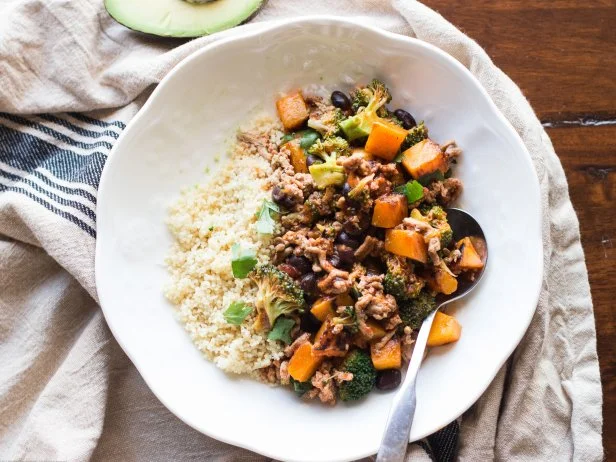
A balanced meal prep plate often looks like:
-
Protein: chicken, tuna, tofu, beans
-
Carbs: quinoa, rice, sweet potato
-
Veggies: greens, mixed vegetables
-
Healthy fats: olive oil, nuts, avocado
Starting small helps you avoid burnout and build long-term consistency.
Finding Healthy Meal Prep Recipes
Finding healthy meal prep recipes is easy, but choosing the right ones is important. Not every recipe works well for meal prep—some meals lose texture or flavor when stored.
When looking for meal prep recipes, focus on meals that:
-
Reheat well
-
Stay fresh for 3–5 days
-
Have balanced macros
-
Use simple ingredients
-
Don’t require daily assembly
Look for these features in recipes:
• Clear cooking steps
• Storage tips
• Nutrition information
• Customization options
• Reviews and ratings
Websites like Ravoke Recipes make meal prep easier because you can build a collection of go-to recipes for weekly rotations.
Types of Healthy Meal Prep Plans
Meal prep comes in different styles depending on your lifestyle, schedule, and goals.
1) Full Meal Prep
• All meals cooked and stored
• Best for strict schedules and busy weeks
2) Partial Meal Prep
• Lunches and snacks prepared
• Dinner cooked fresh each day
3) Ingredient Prep
• Chop veggies, cook protein, prepare grains
• Mix-and-match meals throughout the week
4) Freezer Meal Prep
• Cook meals in bulk and freeze portions
• Best for long-term planning
Each plan helps reduce stress and makes healthy eating more consistent. Choose the style that fits your routine.
Healthy Meal Prep: Real-Life Scenarios
Healthy meal prep is most helpful in real-life situations when time, energy, and choices are limited.
Scenario 1: Busy work schedule
Prep lunches and snacks to avoid fast food and vending machine meals.
Scenario 2: Weight loss goal
Portion meals in advance to reduce overeating and control calories.
Scenario 3: Family meal planning
Prep ingredients to make weekday dinners faster and easier.
Scenario 4: Fitness or muscle-building routine
Prep high-protein meals so you stay consistent with your nutrition plan.
Meal prep helps you stay prepared for real-life challenges and reduces the need for unhealthy choices.
Healthy Meal Prep FAQs
How long does healthy meal prep take?
Most meal prep sessions take 60 to 120 minutes, depending on how many meals you prepare.
How many days can meal prep meals stay fresh?
Most meals stay fresh for 3 to 5 days in the refrigerator. Freezer meals can last longer.
Is meal prep good for weight loss?
Yes. Meal prep helps you control portions, avoid unhealthy choices, and maintain consistent nutrition.
What are the best foods for meal prep?
Foods that store and reheat well include:
• chicken
• rice or quinoa
• roasted vegetables
• beans and lentils
• soups and stews
Key FAQs include:
• Meal prep time
• Storage safety
• Weight loss benefits
• Best meal prep foods
Conclusion: The Value of Healthy Meal Prep
Healthy meal prep is one of the best habits for long-term wellness. It makes healthy eating easier, saves time, reduces stress, and helps you stay consistent with your goals.
By planning meals in advance and choosing simple, balanced recipes, you can reduce cravings, manage weight, and improve energy levels throughout the week. Whether you meal prep every meal or just prepare lunch for workdays, healthy meal prep creates structure and supports sustainable healthy living.