
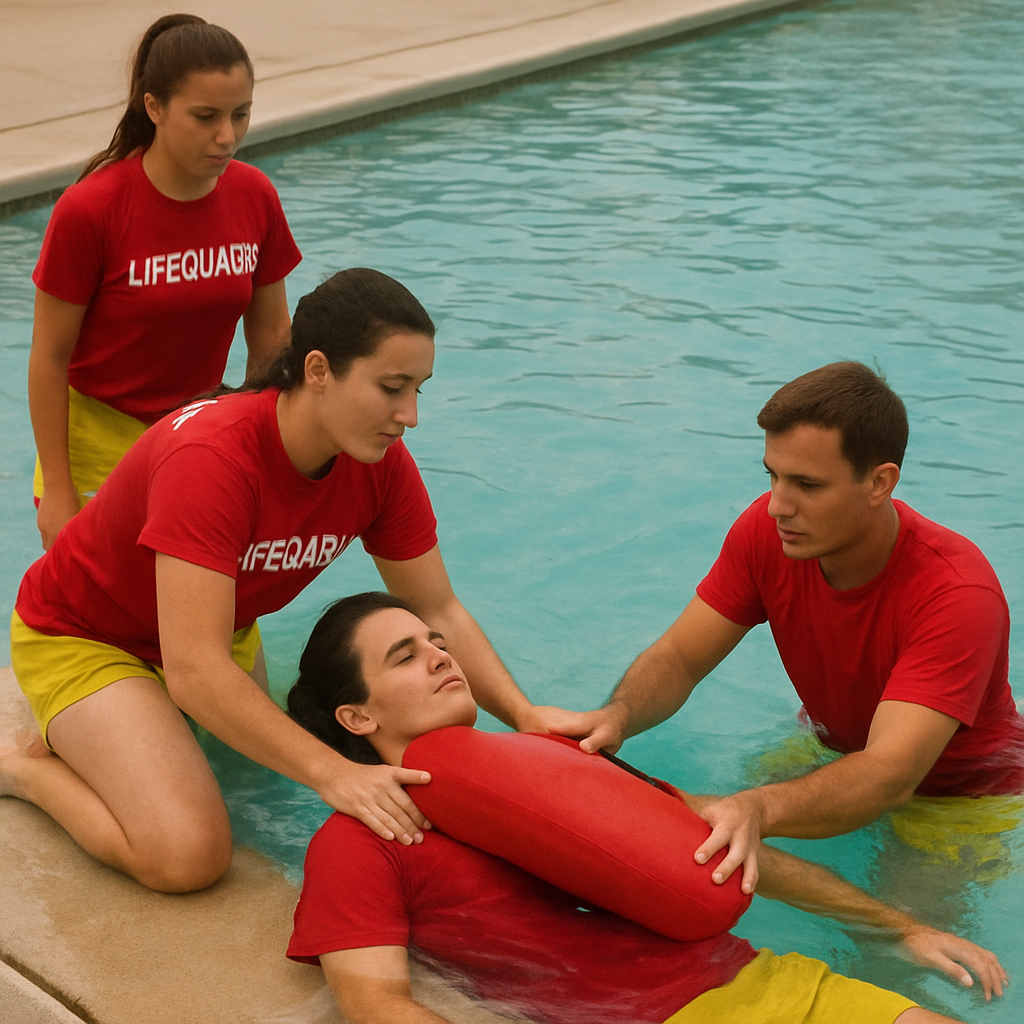
A lifeguard class is a professional training program that teaches you how to prevent drowning, respond to aquatic emergencies, and provide lifesaving care like CPR, AED use, and first aid. Whether you want to work at a pool, beach, lake, waterpark, or camp, taking a lifeguard class is the first step toward earning certification and becoming job-ready.
Most classes include both classroom instruction and hands-on water practice. You’ll learn how to scan and supervise swimmers, recognize early signs of distress, and perform safe, effective rescues. Lifeguard classes also teach emergency action planning and how to work as part of a rescue team under pressure.
This guide explains everything you need to know about classes, including requirements, what you will learn, how the testing works, and how to prepare successfully.
Summary: Lifeguard Class at a Glance
A lifeguard class combines classroom lessons and in-water training to prepare you for real rescue situations. You’ll learn drowning prevention strategies, surveillance and scanning skills, water rescue techniques, CPR/AED, first aid, and emergency response teamwork. Most classes include a pre-course swim test and end with written and practical assessments. Completing a lifeguard class helps you become confident, compliant, and prepared to protect lives in aquatic environments.
What Is a Lifeguard Class?
A lifeguard class is a structured course that trains individuals to supervise aquatic areas and respond effectively to emergencies. Unlike basic swim lessons, lifeguard classes focus on professional readiness and public safety responsibilities.
A lifeguard class typically prepares you to:
-
Prevent drowning through strong surveillance and rule enforcement
-
Respond quickly to active and passive drowning victims
-
Provide CPR and use an AED properly
-
Deliver first aid for injuries and medical emergencies
-
Follow Emergency Action Plans (EAPs) and work with a rescue team
Who Should Take a Lifeguard Class?
Lifeguard classes are designed for individuals who want to work in aquatic environments and take on responsibility for public safety. They are ideal for confident swimmers who want a meaningful, active job.
A lifeguard class is a good fit for:
-
Teens and adults seeking lifeguard employment
-
Swim coaches and swim instructors
-
Camp counselors and recreation staff
-
Individuals interested in emergency response careers
-
People who enjoy leadership and teamwork
Lifeguarding is a respected role that builds confidence, discipline, and strong communication skills.
Lifeguard Class Requirements and Eligibility
Before joining a lifeguard class, you must meet specific prerequisites. These ensure you are physically ready for rescues and water drills.
Common Lifeguard Class Requirements
Most lifeguard class providers require:
-
Minimum age: Typically 15 years old (varies by provider)
-
Strong swimming ability
-
Pre-course swim test completion
-
Physical readiness to complete rescues and endurance drills
-
Ability to attend all sessions
Typical Lifeguard Swim Test Includes
You may be required to:
-
Swim 300 yards/meters continuously
-
Tread water for 2 minutes
-
Retrieve a 10 lb brick/object from deep water
These requirements confirm you can safely perform rescues during training and later on the job.
What You Learn in a Lifeguard Class
A lifeguard class focuses on prevention and response. You’ll learn how to stop emergencies before they occur, and what to do if an emergency happens.
Lifeguard Skills Covered
Most lifeguard classes teach:
-
Active and passive victim rescues
-
Water entries and safe approaches
-
Victim carries and removal techniques
-
Spinal injury management and backboarding
-
CPR for adults, children, and infants
-
AED operation and safety steps
-
First aid for bleeding, fractures, burns, shock, and heat illness
-
Emergency Action Plans (EAPs)
-
Team rescue communication drills
These skills are practiced repeatedly so they become automatic during real emergencies.
What to Expect During Lifeguard Class Sessions
Lifeguard classes combine classroom learning with active in-water training. Expect realistic scenarios that test your ability to stay calm and follow procedures.
Typical Lifeguard Class Structure
Most classes include:
-
Classroom sessions: lifeguard responsibilities, safety rules, emergency planning
-
Water drills: rescues, removals, victim support, extraction
-
Scenario practice: simulated drowning incidents and team response
-
Written exam: tests your understanding of protocols
-
Practical skills test: confirms your ability to rescue and provide care
Instructors often simulate stress because real rescues happen under pressure.
Written Exam and Practical Skills Test: How to Pass
To complete a lifeguard class successfully, you must pass both written and practical evaluations.
How to Pass the Written Exam
✅ Study tips:
-
Read the manual provided in class
-
Focus on scanning, prevention, and facility safety rules
-
Review CPR/AED sequences and emergency action steps
-
Practice scenario questions if available
How to Pass the Skills Assessment
✅ Skills tips:
-
Practice rescues regularly and follow the correct steps
-
Stay calm—panic causes mistakes
-
Communicate clearly during team rescues
-
Apply instructor feedback immediately
-
Use correct victim support and safe removal technique
Passing practical tests requires confidence, accuracy, and strong physical readiness.
How to Prepare for a Lifeguard Class
Preparation makes your lifeguard class much easier. Being ready physically means you can focus on technique instead of endurance.
Fitness Preparation Tips
-
Swim 2–3 times per week before class begins
-
Practice continuous swimming without breaks
-
Improve tread water strength and deep-water comfort
-
Build leg and core strength for victim support
Study and Readiness Tips
-
Learn basic CPR vocabulary
-
Review first aid fundamentals
-
Watch lifeguard rescue demonstrations from trusted sources
-
Bring the required materials and arrive ready to participate
Preparation gives you confidence and improves performance during testing.
Lifeguard Class Gear Checklist
Most lifeguard classes require basic equipment. Always check your provider’s list, but these items are commonly needed.
What to Bring
✅ Recommended items:
-
Proper swimsuit (training-friendly)
-
Goggles (highly recommended)
-
Towel and dry clothes
-
Water bottle
-
Notebook for class notes
-
Any required course materials
Some programs provide rescue tubes, whistles, and CPR masks, while others may ask you to bring your own.
Frequently Asked Questions About Lifeguard Classes
How long does a lifeguard class take?
Most lifeguard classes last 20–30 hours, depending on scheduling and training environment.
Can I take a lifeguard class online?
Some programs offer online theory, but rescues and CPR/AED must be completed in person.
Is a lifeguard class hard?
It can be physically challenging, especially if you don’t practice swimming regularly. With preparation, most students succeed.
How long is lifeguard certification valid after class?
Most certifications last two years, after which recertification is required.
Conclusion: Lifeguard Class Builds Skills That Save Lives
A lifeguard class is one of the most valuable safety programs you can complete. It prepares you to prevent drowning, respond to emergencies, and protect lives. Beyond certification, it builds confidence, teamwork skills, and real-world emergency readiness.
If you want to succeed, prepare physically, take training seriously, and practice consistently. Lifeguard skills aren’t just for the job—they’re skills that can save lives anywhere.
Author Bio
Benjamin Owen Leo is a water safety writer and lifeguard training content specialist focused on professional lifeguard education and drowning prevention. He creates people-first training guides on lifeguard certification, CPR/AED readiness, rescue skills, first aid protocols, and aquatic safety standards. His goal is to help lifeguards and aquatic facilities improve safety through clear, accurate, and practical instruction.
Must Visit: Wiki Point Digital