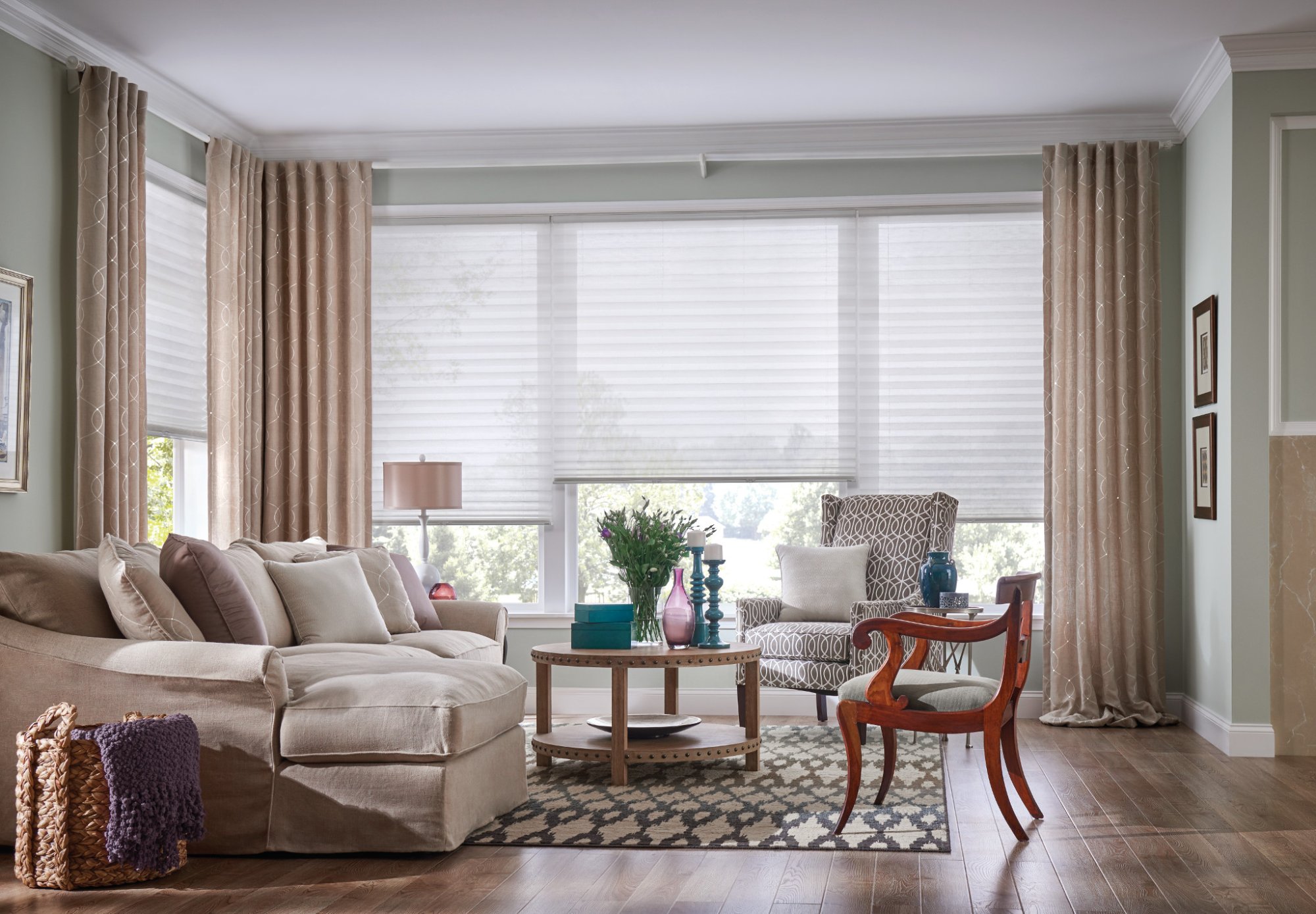

You can make a London home feel both timeless and contemporary by balancing classic architectural features with modern finishes and personal touches. London Home Interiors often blend period details like cornices, sash windows, or exposed brick with streamlined furniture, layered textures, and curated art to create spaces that feel rooted yet refreshingly current.
Expect to explore the city’s most influential looks—from restrained Georgian elegance and bold, patterned interiors to loft-style industrial chic—and learn practical ways to apply those ideas in flats, townhouses, or new developments across London. Follow the article for trend notes and hands-on design moves that help you shape a distinctive London interior that suits your lifestyle.
London Home Interiors Trends
Expect a blend of tactile materials, considered colour, and practical smart features that suit both period homes and new builds. Designers prioritise comfort, craftsmanship, and longevity so your choices can feel intentional and liveable.
Contemporary Styles
You’ll see warm minimalism: clean lines paired with soft textures like boucle and brushed oak to avoid clinical spaces. Open-plan living remains common, but you’ll find defined zones using rugs, lighting, and low partitions rather than full walls.
Built-in storage and bespoke joinery are popular to maximise space in flats and terraces. Integrate matte black or aged brass hardware for a modern edge without overwhelming the room. Smart-home elements — discreet speakers, automated blinds, and compact heating controls — get buried into interiors so technology serves function and aesthetics.
Classic British Influences
If your home has period details, designers keep and restore cornices, sash windows, and fireplaces, then layer contemporary pieces for balance. Georgian proportions often guide layouts: tall ceilings, deep skirting boards, and symmetrical room arrangements remain desirable.
Textiles play a big role: heavyweight linens, wool throws, and tailored curtains in heritage patterns add depth. You’ll also notice crafted antiques and reissued designs used alongside modern furniture to create a curated, time-tested look rather than a themed pastiche.
Popular Colour Palettes
Earthy neutrals dominate: warm greys, clay, sage, and ochre create a grounded base you can update with accessories. Navy and deep forest green act as accent colours for joinery or statement walls in kitchens and studies.
Metal finishes usually stay muted — aged brass, oxidised bronze, and black — to complement the palette. When choosing paint, pick slightly warm undertones to keep light London rooms feeling inviting rather than stark.
Designing London Homes
You’ll focus on practical space strategies, durable sustainable choices, made-to-measure furniture, and layered lighting to make compact London properties both efficient and inviting.
Maximizing Space in City Living
In London flats every square metre counts. Use built-in storage—floor-to-ceiling cupboards, under-stair drawers, and window-seat benches—to free floor area and keep circulation clear. Choose sliding doors where swing doors would block pathways.
Adopt multifunctional pieces like a dining table that doubles as a desk and a sofa with a pull-out bed. Zone open-plan spaces with rugs or low shelving rather than walls to maintain light while defining activity areas. Fit shallow-depth wardrobes in alcoves and use vertical shelving to draw the eye up and exploit high ceilings.
Prioritise circulation routes: leave at least 75–90 cm clear in main walkways. Keep kitchen layouts compact and efficient—Galley or L-shaped plans work best in narrow London kitchens. Finally, specify light-coloured finishes and mirrors to amplify daylight in smaller rooms.
Incorporating Sustainable Materials
Specify materials with proven longevity and low embodied carbon. Choose FSC- or PEFC-certified timber for cabinetry and joinery to ensure responsible sourcing. For floors, prefer reclaimed floorboards, responsibly sourced oak, or low-VOC engineered timber that resists wear and limits maintenance.
For surfaces, select natural stone, porcelain tiles with high durability ratings, or composite worktops that combine recycled content and stain resistance. Use low-VOC paints and finishes to protect indoor air quality; ask suppliers for third-party test data or emissions certificates.
Install water-efficient fittings—dual-flush toilets and flow-regulated taps—and specify energy-efficient appliances with A+++ or equivalent ratings. Where possible, select upholstery fabrics made from recycled fibres or natural fibres like wool or linen with Oeko-Tex or GOTS certification to reduce chemical load.
Custom Furniture Solutions
Custom furniture solves odd layouts and maximises storage in period terraces and new-builds alike. Commission built-in media walls that integrate wiring, shelving, and concealed storage to eliminate clutter and preserve sightlines. Tailor kitchen cabinetry to the exact ceiling height and cornice details to create a seamless, high-end finish.
Work with a cabinetmaker to design pieces that use the space behind chimneypieces, under eaves or around radiators. Specify durable hardware—soft-close runners, concealed hinges, and solid-core drawer boxes—to ensure longevity. For multifunctional needs, design bespoke joinery that converts: a wall bed with integrated workstation, or a unit that transforms from storage to occasional seating.
When choosing finishes, request physical samples and mock-ups. That prevents mismatches with existing joinery and ensures the scale and proportion suit your room. Ask for local makers to reduce lead time and transport emissions.
Lighting Techniques for Ambiance
Layer lighting to control mood and function. Start with good general lighting—recessed downlights or a central pendant on dimmers—to set base illumination levels. Add task lighting where you read, cook, or work: adjustable wall sconces by bedsides, under-cabinet LED strips in kitchens, and directional floor lamps for seating areas.
Accent lighting creates depth. Use picture lights, LED strip concealed in shelving, or a narrow-beam spotlight to highlight art, architectural details, or a textured wall. Choose warm colour temperatures (2700–3000K) in living spaces to feel inviting, and cooler (3000–4000K) for kitchens and work zones.
Control is crucial: group circuits so you can switch zones independently and include multiple dimming options. Specify fittings with good glare control and high colour-rendering (CRI ≥ 90) for accurate colour perception, especially for textiles and artwork.