
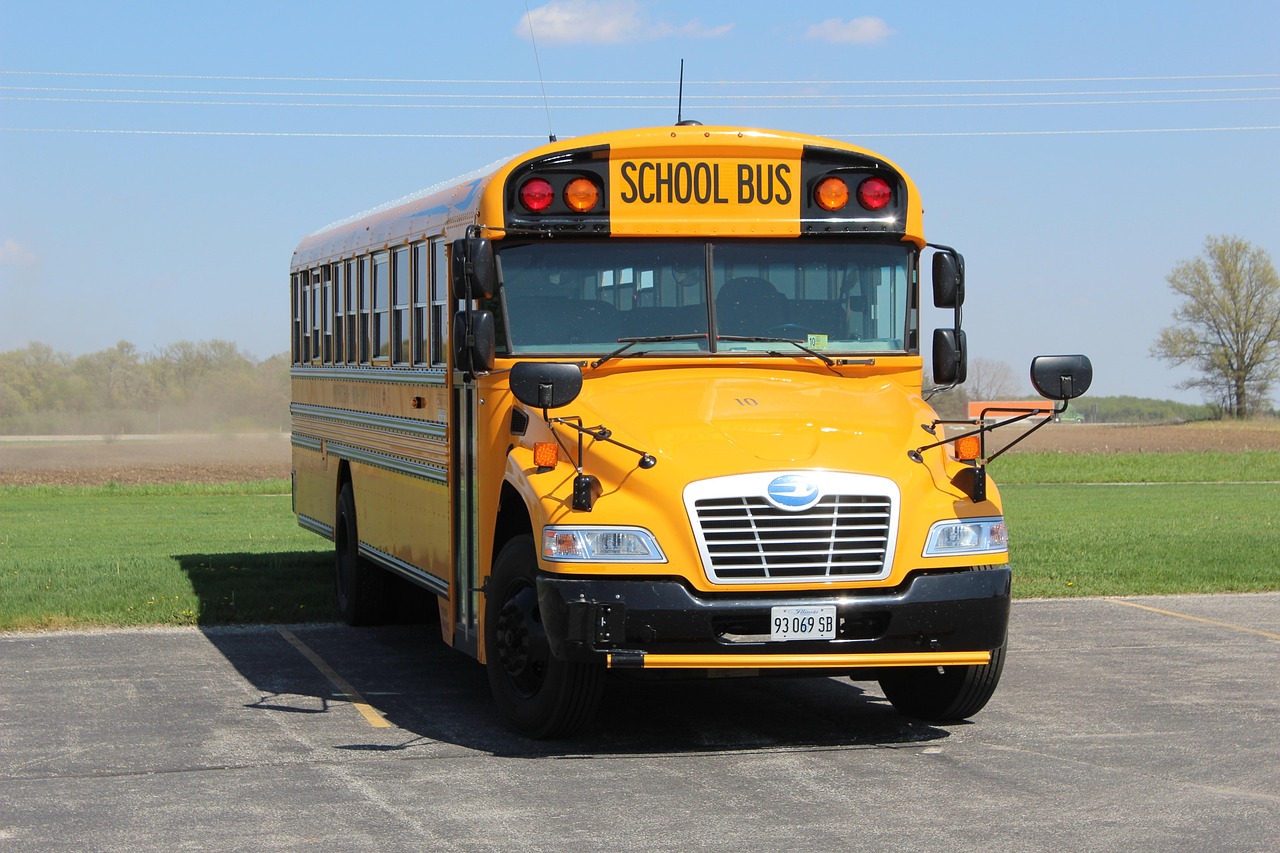
School bus transportation plays a crucial role in safely moving millions of students to and from school every day. It provides a reliable, organized, and cost-effective way for families and schools to manage student travel. The safety and efficiency of school bus services make them one of the most trusted transportation options for students.
In many regions, school transportation providers work closely with local school boards to ensure schedules and routes meet community needs. Services often include specialized support for younger children and adaptations for different types of schools. Maintaining strict safety standards is a core priority, with protocols in place to protect all passengers.
Parents and school administrators also benefit from the convenience that school bus systems offer, reducing traffic around school zones and lowering individual transportation costs. Understanding how these systems operate can help communities make informed decisions about student travel options.
Understanding School Bus Transportation
School bus transportation involves various service models, strict safety measures, efficient route planning, and specialized driver training. These elements work together to ensure reliable, safe, and accessible transport for diverse student populations.
Types of School Bus Services
School bus services vary to accommodate different needs. The main types include conventional buses, typically large and yellow, used for most general student transportation. Mini buses serve smaller groups or areas with fewer students. There are also specialty buses equipped for students with disabilities, featuring wheelchair lifts, safety harnesses, and aides for assistance.
Private and charter services may offer additional features like air conditioning or GPS tracking. These options contribute to flexibility in meeting school district requirements and student needs while maintaining accessibility and comfort.
Safety Standards and Regulations
School buses are subject to strict safety standards at federal and state levels, designed to protect students during every phase of transit. Requirements include reinforced bus bodies, flashing lights, stop-arm signals, and high-visibility paint.
Regulations also cover loading and unloading procedures to reduce risks outside the bus. Regular vehicle inspections and maintenance play a crucial role in ensuring the buses remain in safe operating condition. Emergency contingency plans are standard, addressing situations like accidents or route disruptions.
Route Planning and Scheduling
Efficient route planning minimizes travel time while maximizing safety. Modern systems use software to optimize routes based on student addresses, traffic conditions, and bus capacity. This reduces fuel costs and ensures timely arrivals and departures.
Schedules are coordinated with school start and end times to maintain consistency. Contingency routes or flexible adjustments are included to handle weather, roadworks, or unexpected delays, ensuring reliable service throughout the school year.
Driver Qualifications and Training
School bus drivers must meet specific licensing requirements, often including a commercial driver’s license (CDL) with specialized endorsements for passenger and school bus operation. Background checks and health screenings are mandatory to ensure suitability.
Training emphasizes student safety, proper handling of the bus, emergency procedures, and managing student behavior. Continuous education and refresher courses keep drivers updated on safety regulations and best practices, reinforcing their critical role in safe student transportation.
Optimizing School Bus Operations
Effective school bus operations rely on precise management of expenses, adoption of technology for real-time control, and active efforts to reduce environmental impacts. Together, these components enhance efficiency, safety, and sustainability in school transportation systems.
Cost Management Strategies
Controlling expenses is critical for operational sustainability. Districts focus on reducing fuel consumption through optimized routing, which minimizes idle time and unnecessary mileage. Strategic labor management, such as adjusting schedules to avoid overtime, also limits costs.
Regular maintenance of vehicles prevents costly breakdowns and extends fleet life. Additionally, bulk purchasing of fuel and parts can leverage discounts. Route planning that clusters stops logically helps lower vehicle wear and fuel use.
Budgeting for unforeseen expenses, like emergency repairs, is essential. Accurate data collection informs decisions that balance cost and service quality, ensuring resources target high-impact areas effectively.
Technology Integration and Tracking
Incorporating technology improves route efficiency and student safety. GPS tracking systems allow dispatchers to monitor buses in real-time, adjusting routes promptly when delays or issues arise.
AI-driven routing software calculates optimal paths by analyzing traffic, weather, and stop patterns. This leads to shorter commute times and reduces fuel consumption. Digital tools also facilitate communication between drivers, administrators, and parents.
Data analytics help identify inefficiencies and forecast maintenance needs, enabling proactive interventions. Mobile apps provide parents with live updates on bus locations, adding transparency to daily operations.
Environmental Impact Initiatives
Reducing the environmental footprint of school transportation is growing in priority. Many districts implement route optimization to cut fuel use and decrease emissions, aligning with sustainability goals.
Transitioning to low-emission or electric buses further lowers carbon output. Energy-efficient driving training for drivers reduces idling and harsh acceleration.
Some schools participate in programs that offset emissions or invest in renewable energy credits. These steps contribute to cleaner air and often qualify districts for grants or government incentives, supporting ongoing environmental efforts.